

 RETURN
18.01.2021
TYPES OF VR DEVICES | What are the types of Virtual Reality glasses that exist?

HIPEREXPERIENCIA
LOADED


For years, extended reality (XR) has carried an awkward label: a promising technology reserved for early adopters, gamers and innovation departments with a budget. Headsets costing hundreds or thousands of euros, use limited to a living room or a training room, and a learning curve that held back the general public.
That is changing, and not because VR or MR are falling behind, but because the XR ecosystem is maturing and, at last, diversifying into formats built for very different needs. The spearhead of that shift is AI-powered smart glasses: lightweight, affordable devices designed for everyday use that are opening the door to XR for millions of people who would never have put on a headset.
2025 was the year the XR market stopped being synonymous with headsets. According to IDC, global XR device shipments grew 44.4% in 2025, reaching around 14.3-14.5 million units. But what matters isn't just the total growth, it's who is driving it: display-free smart glasses saw shipments jump 247.5% year over year, as reported by VR.org, going from a quarter of XR shipments in 2024 to half in 2025 — outselling VR/MR headsets by roughly 3 to 1.
This wave has a name. Meta leads with its Ray-Ban Meta glasses, with more than 2 million units sold since their October 2023 launch and sales that tripled in the second quarter of 2025. But it is no longer alone:
When such different manufacturers — from VR specialists to smartphone and search giants — converge on the same direction, it isn't a passing trend: it's a signal that the market has found the format it was missing.
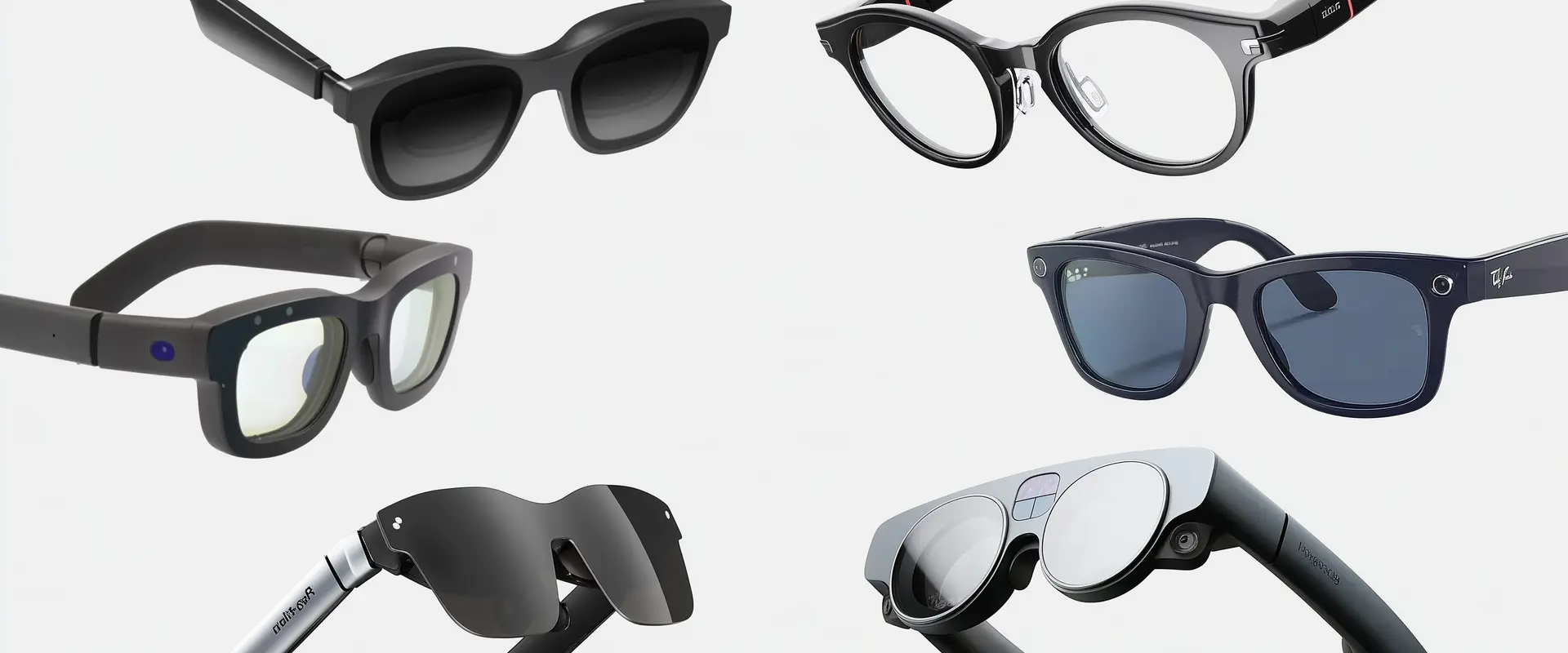
With so many manufacturers entering the category, it's worth breaking down what each model offers and which type of user it makes the most sense for:
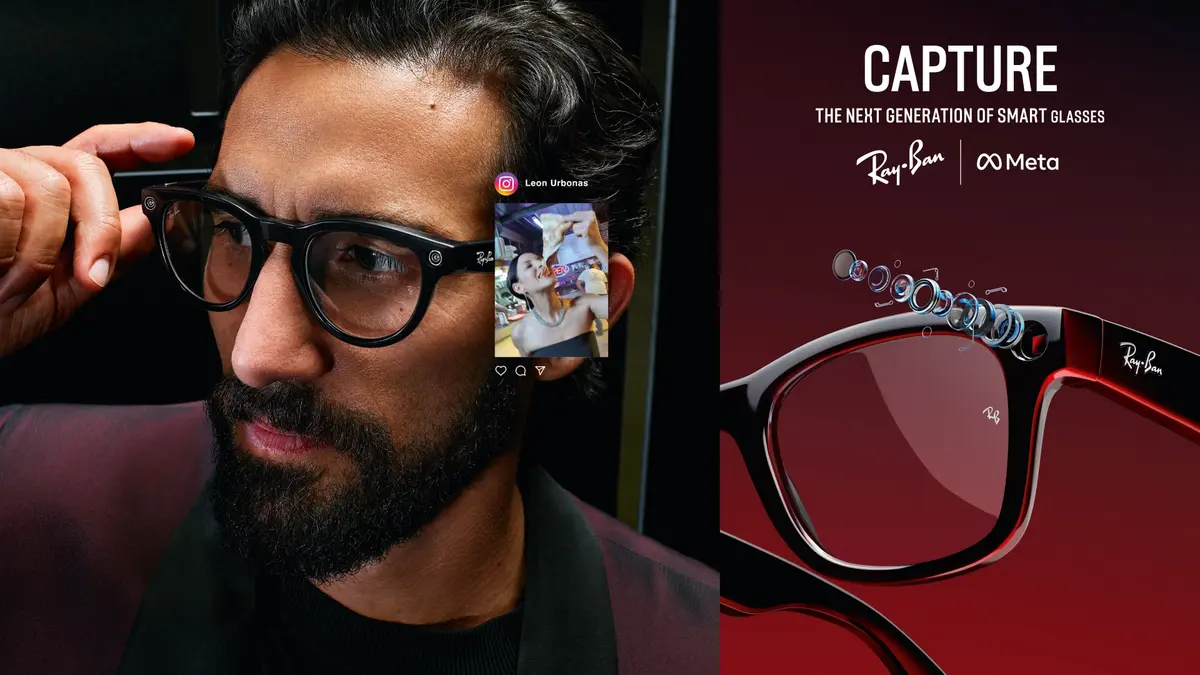
Ray-Ban Meta — The best-selling AI glasses on the market, with a camera, built-in speakers and the Meta AI assistant. No display. Ideal for anyone who wants photos, video and a hands-free assistant without changing the look of a regular pair of glasses.
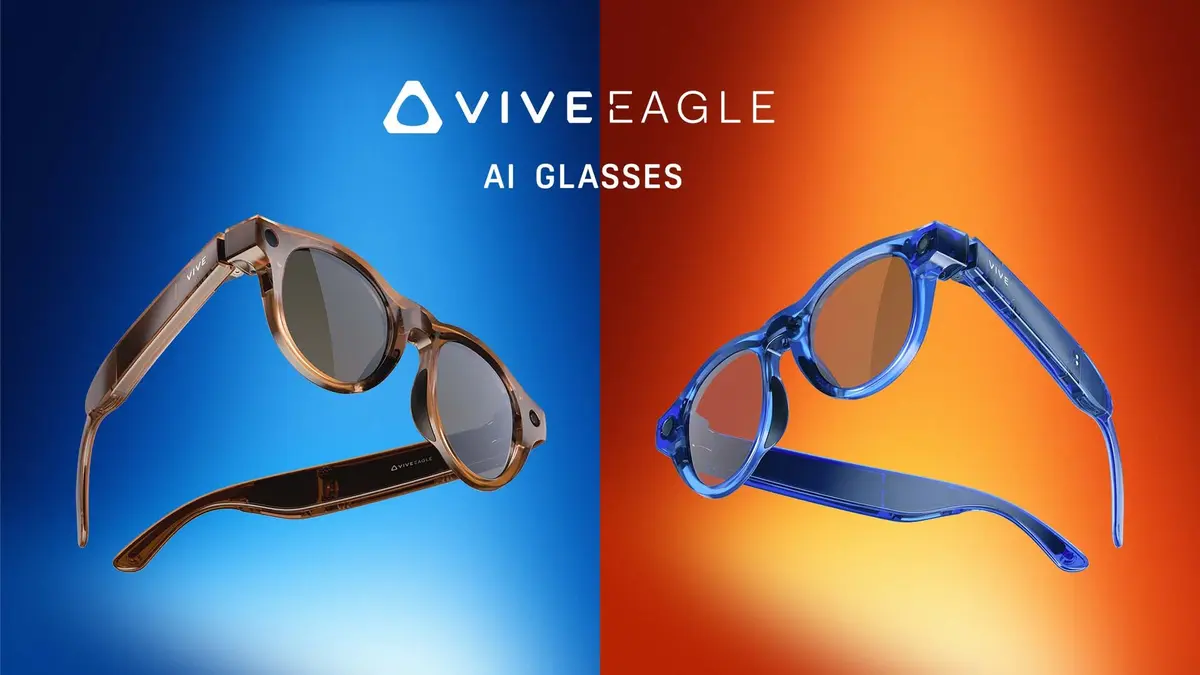
HTC Vive Eagle — A direct alternative to Ray-Ban Meta from a name with a long VR history, offering a choice of Gemini or ChatGPT and a focus on real-time translation. Built for users who travel or work across languages.
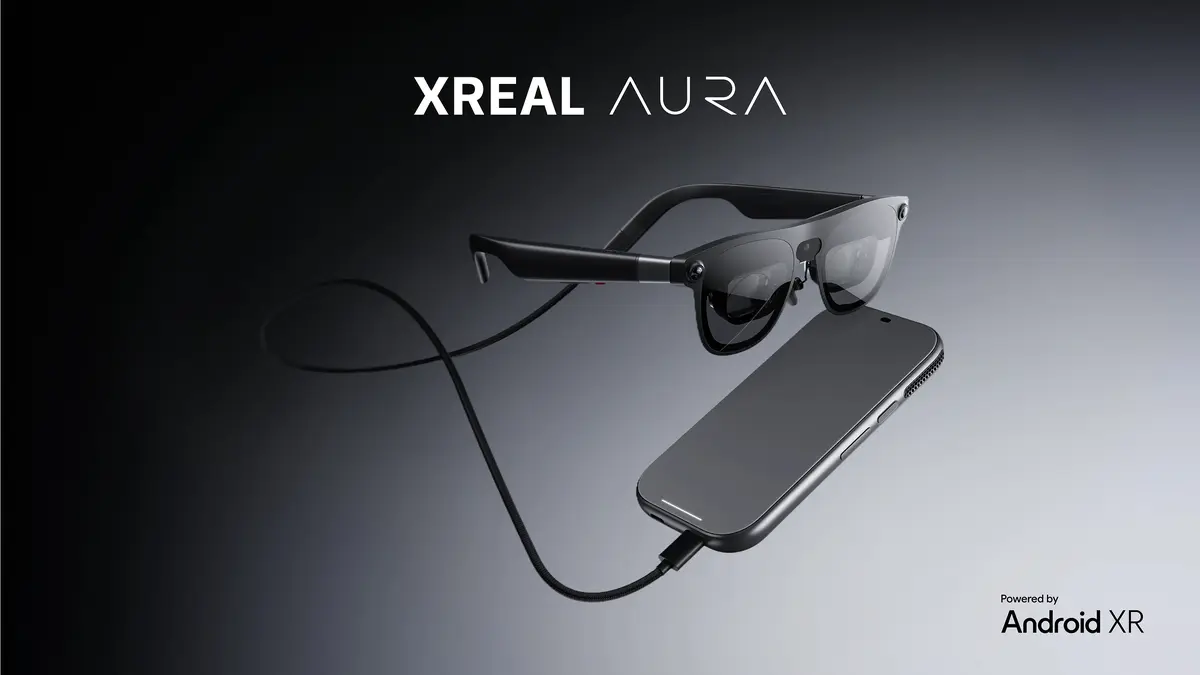
XREAL Aura — The leap from AI Glasses to AR Display Glasses: a real optical display, a 70° field of view and Android XR with Gemini. Aimed at productivity and portable spatial content, not just voice assistance.
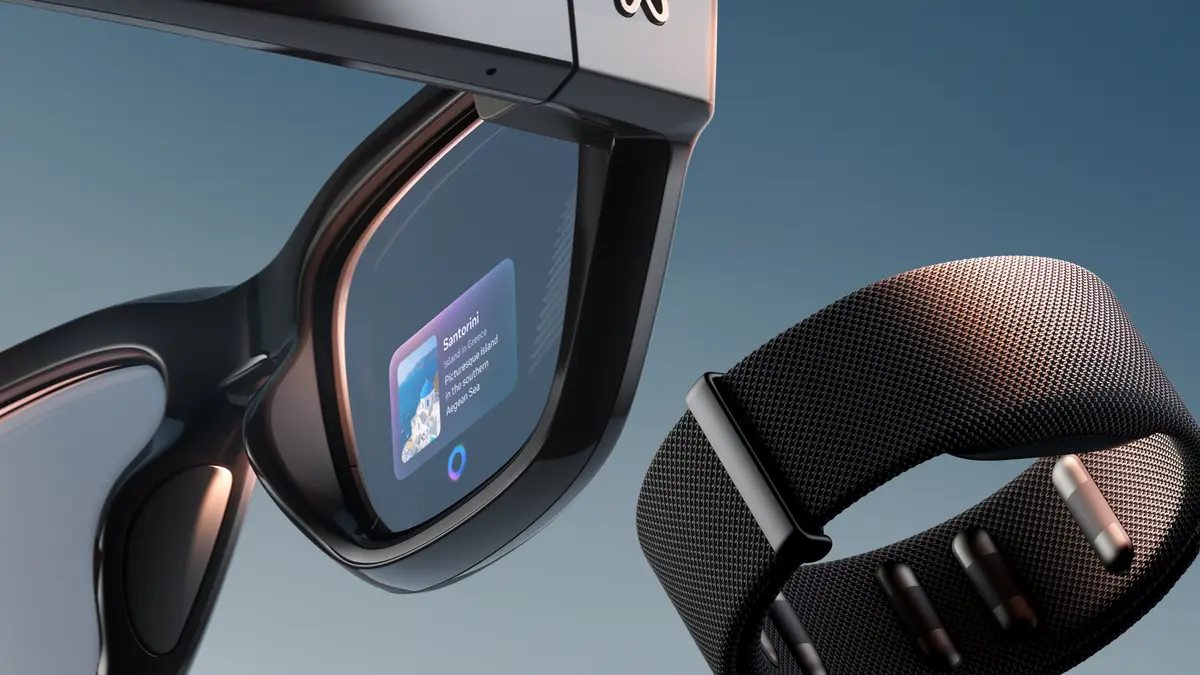
Meta Ray-Ban Display — Meta's first pair of glasses with a real built-in display (monocular, right eye only), controlled through the Meta Neural Band wristband via muscle-signal gestures. Built for notifications, navigation and translation without reaching for your phone.
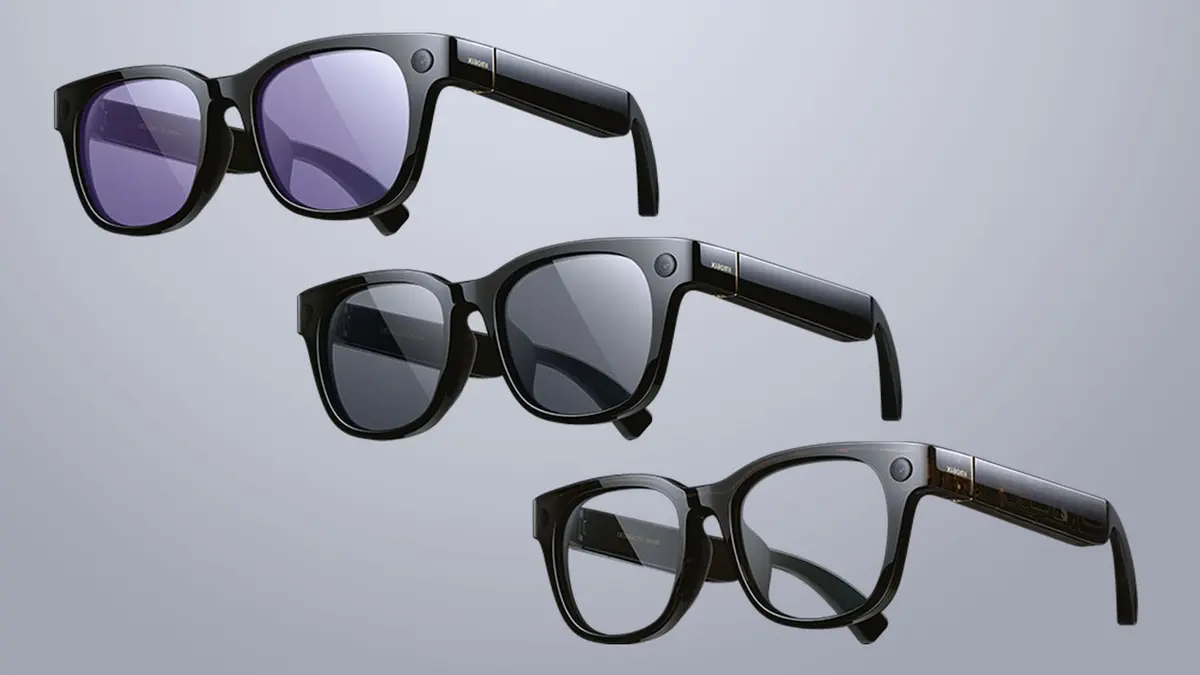
Xiaomi AI Glasses — China's answer to Ray-Ban Meta: a 12MP camera, a Snapdragon AR1 chip and up to 8.6 hours of battery life, double that of its direct rival. Currently only sold in China.
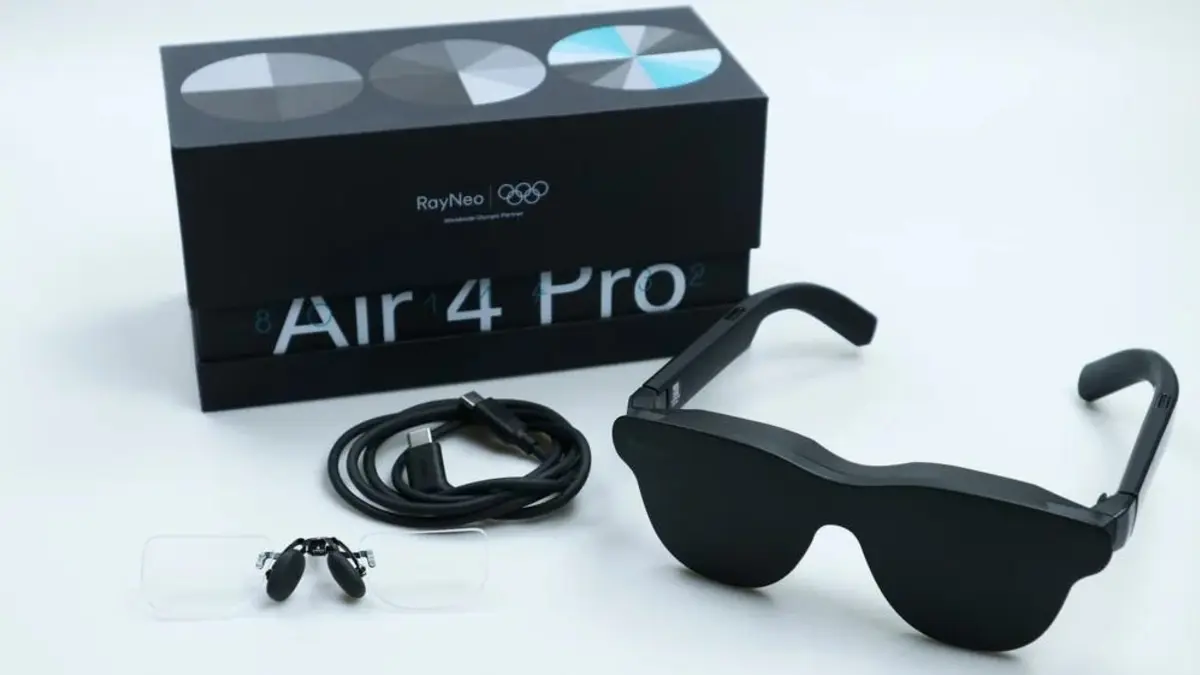
TCL RayNeo Air 4 Pro — Entertainment-focused AR Display Glasses: a Micro-OLED display with HDR10 (an industry first) and audio tuned by Bang & Olufsen, at a very competitive price. Built to carry a large virtual screen wherever you go.
The underlying reason is simple and very good news for the sector: smart glasses remove almost every entry barrier that was holding back mass XR adoption.
The result is an entirely new audience coming into contact with XR without realising it. And that is excellent news for the whole industry — hardware manufacturers, software developers and studios like ours alike: the more people carry an XR device in their pocket or on their face, the faster the whole ecosystem matures.
It's tempting to read this data as "glasses are killing VR". But that reading falls short. What's actually happening is that XR is segmenting into specialized formats, each solving a different need, as explained by Treeview's guide, which distinguishes three categories within the smart glasses universe itself:
And above all of this, dedicated VR/MR headsets keep existing — and growing in their own niches. For immersive training, industrial simulation or experiences that need to fully isolate the user from their surroundings, no 40-gram pair of glasses can compete with the immersion of a dedicated headset. That's the ground DeuSens works on with virtual reality training projects for the industrial and airport sectors: scenarios where total immersion isn't an extra, it's the requirement.
The conclusion isn't "glasses versus headsets", but an increasingly complete map of devices:
| Need | Best-fit format |
|---|---|
| Hands-free, everyday AI assistance | Display-free smart glasses |
| Notifications and quick data about the real world | AR Display Glasses |
| Lightweight, portable spatial productivity and content | XR Display Glasses |
| Training, simulation and full immersion | Dedicated VR/MR headsets |
This specialization is exactly what a market needs to stop being a niche and become infrastructure. No mature tech sector — smartphones, computers — runs on a single device format; XR is, at last, following that same path.
If there's one concept that sums up where all this is heading, it's Spatial Intelligence. The term was put on the map by Fei-Fei Li, the researcher known as "the godmother of AI" and creator of ImageNet, through her startup World Labs, which in 2026 closed a $1 billion funding round with investors including Nvidia, AMD and Autodesk (CXO Digital Pulse).
The underlying idea is as simple as it is powerful: over the last decade, AI has learned to understand text and images in two dimensions. The next leap is for it to understand and reason about the three-dimensional world we live in — objects, spaces, physics, movement — the way people do. Li sums it up as the ability to perceive, generate and interact with the 3D world, with applications ranging from design and robotics to, very directly, AR and VR (IEEE Spectrum).
This is precisely what we're seeing land in XR hardware throughout 2026:
In other words: XR provides the "eyes" (cameras, sensors, spatial tracking) and AI provides the "brain" that interprets what those eyes see and acts on it. When that combination works well, the device stops being a screen you wear and becomes an assistant that understands where you are and what you need. That's the real destination of this smart glasses wave: it isn't the end of the road, it's the most accessible entry point to a future of spatial computing that lightweight glasses and more powerful VR/MR headsets will share, each in their own way.

The industry's interest isn't limited to what's already on shelves. Several major tech names are preparing to enter the category or launch their next generation:
If these forecasts hold, 2027 will be the year practically every major consumer tech manufacturer has its own smart glasses on the market.
The 2026 XR market doesn't have a winner and a loser between glasses and headsets. For the first time, it has a full range of devices — from $499 to professional-grade — able to cover both the person who just wants a hands-free AI assistant and the company that needs to simulate a complete industrial environment. That diversity is the clearest sign that XR has stopped being a bet on the future and become a technology that, format by format, is already entering the daily lives of millions of people.
SIMILAR CONTENT


PRIVACY POLICY
By chatting you accept our Privacy Policy.
By chatting you accept our Privacy Policy.
Conversation sent. We will be in touch shortly. New conversation


