

18.01.2021
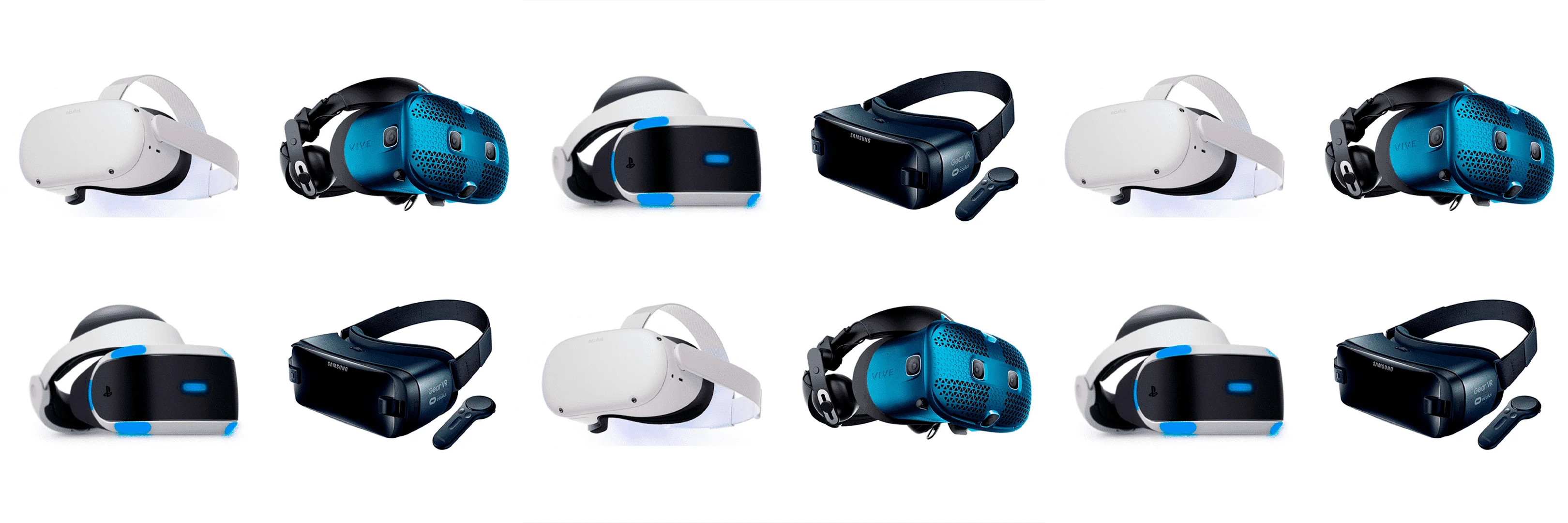
TYPES OF VR DEVICES | What are the types of Virtual Reality glasses that exist?

HIPEREXPERIENCIA
LOADED


 RETURN
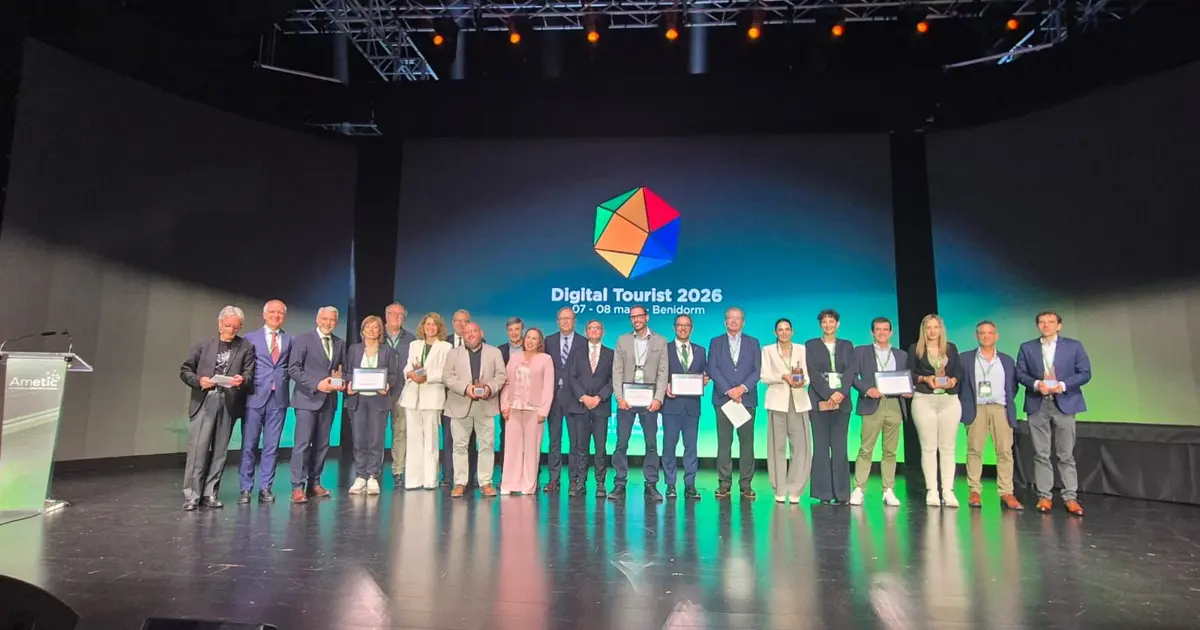
The Ametic Digital Tourist 2026 Awards, held this May 7th at the Benidorm Cultural Center, have confirmed what the past year of work was already pointing to: Spanish studio DeuSens has won two first prizes and one honor mention in the same gala, all of them for projects open to the public and in real-world use.
The event, presided over by the President of the Valencian Government, Juan Francisco Pérez Llorca, and the Secretary of State for Tourism, Rosario Sánchez, alongside the Mayor of Benidorm, Toni Pérez, and the President of Ametic, Francisco Hortigüela, is the leading recognition in Spain for digital technologies applied to tourism. The 2026 edition awarded projects across six categories, and DeuSens has won two of them, plus an additional recognition in a third.
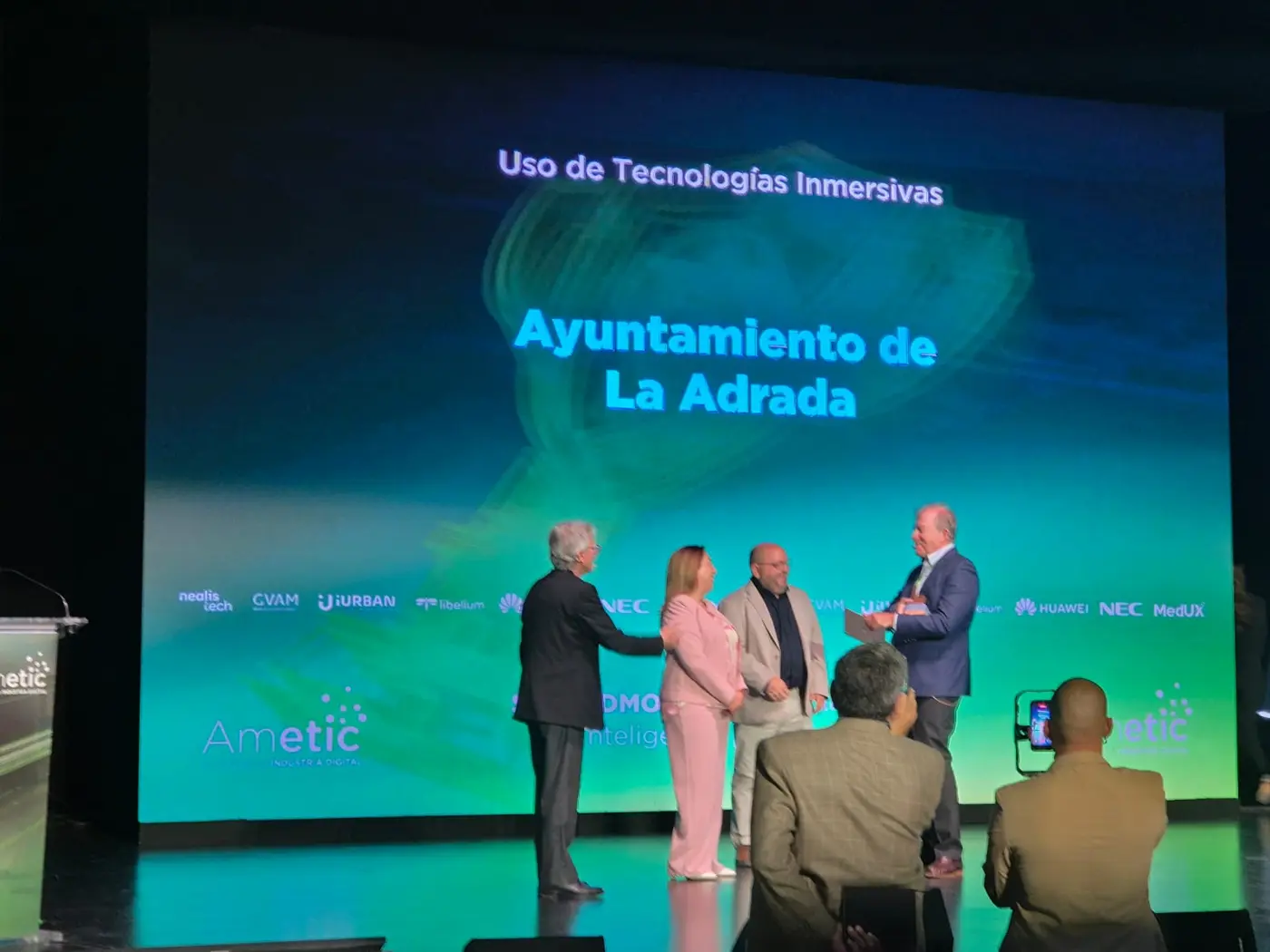
The first recognition came in the Use of Immersive Technologies category, where the experience "The Traces of Paper" took the first prize. The project, driven by the La Adrada Council (Ávila) together with Telefónica Tech and DeuSens, digitally recovers the Casa de los Jerónimos, a historic site linked to the artisanal paper-making process the Hieronymite monks performed there for centuries.
The experience combines virtual reality and historical narrative to bring visitors closer to a heritage that no longer physically remains: visitors put on a headset, cross the wall of time and walk among workshops, monks and lost trades. A success case of how immersive technology activates rural heritage and attracts visitors to destinations that would otherwise stay off the tourist radar. See the full project.
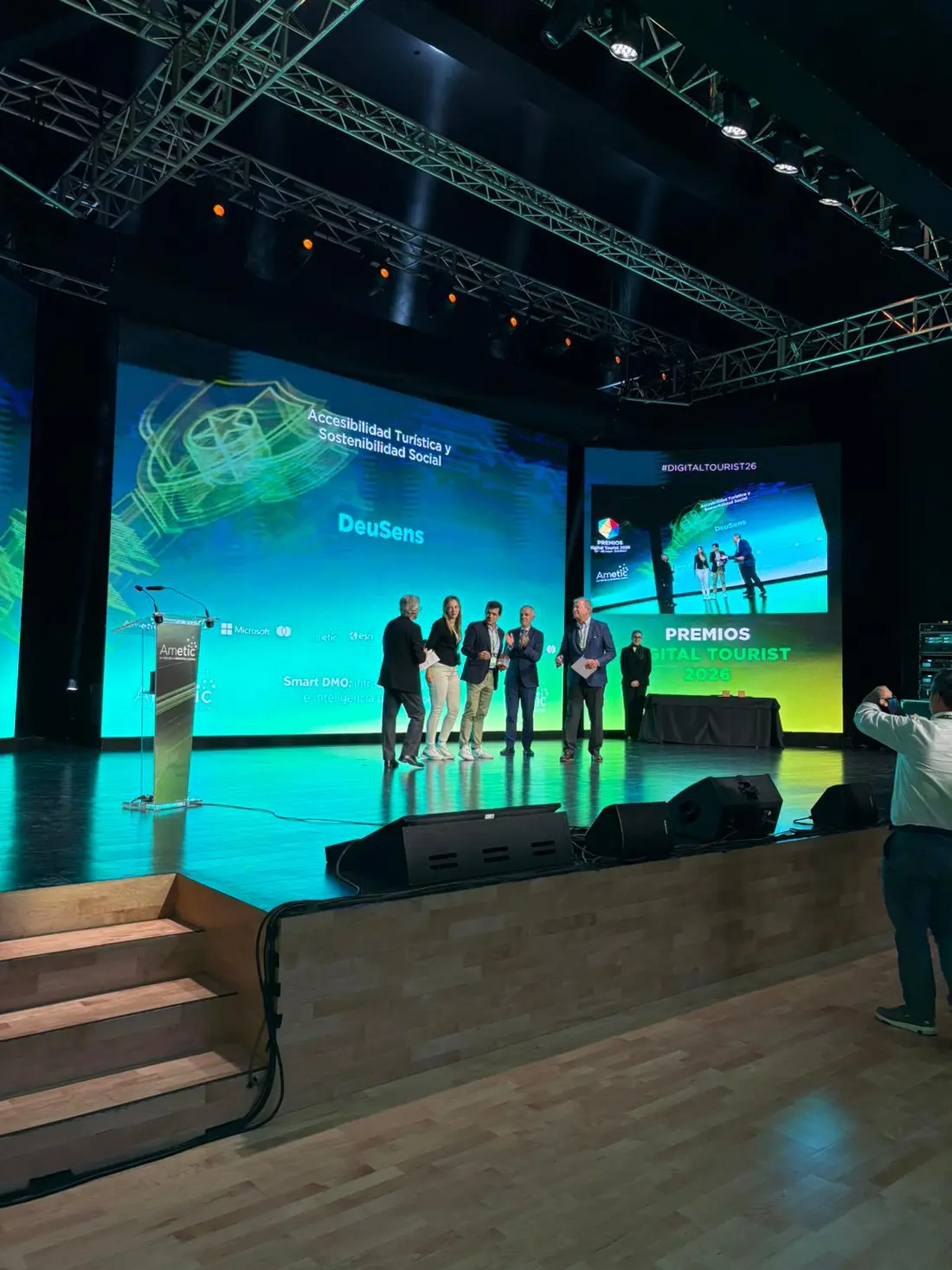
The second first prize came in the Tourism Accessibility and Social Sustainability category, where "Dive into Heritage" was selected as best initiative. The web platform, developed for UNESCO in collaboration with Integra Tecnología, democratizes access to World Heritage by virtually connecting users worldwide with 19 heritage sites of international relevance, accessible from any device and built with a specific focus on UX and universal accessibility.
It is a project that reframes the conversation: heritage stops depending on who can travel to see it and becomes a common good anyone can step into from anywhere. The award was collected by Francisco Javier Alonso, Sales Director at DeuSens. See the full project.
The day's hat-trick was completed with the honor mention in Use of Immersive Technologies for "Iron Escape, Munoa Escape Room", the two cooperative virtual reality experiences developed at the Munoa Palace in Barakaldo. The project, made with Telefónica Tech for the Barakaldo Council, turns the palace into an immersive leisure destination that puts the Biscayne industrial legacy in the spotlight.
Two cooperative escape rooms designed for visitors to solve the challenges as a team, transforming a historic building into a tourist attraction able to draw both local audiences and visitors from outside. Another example of how virtual reality can turn heritage assets into economic engines for their towns. See the full project.
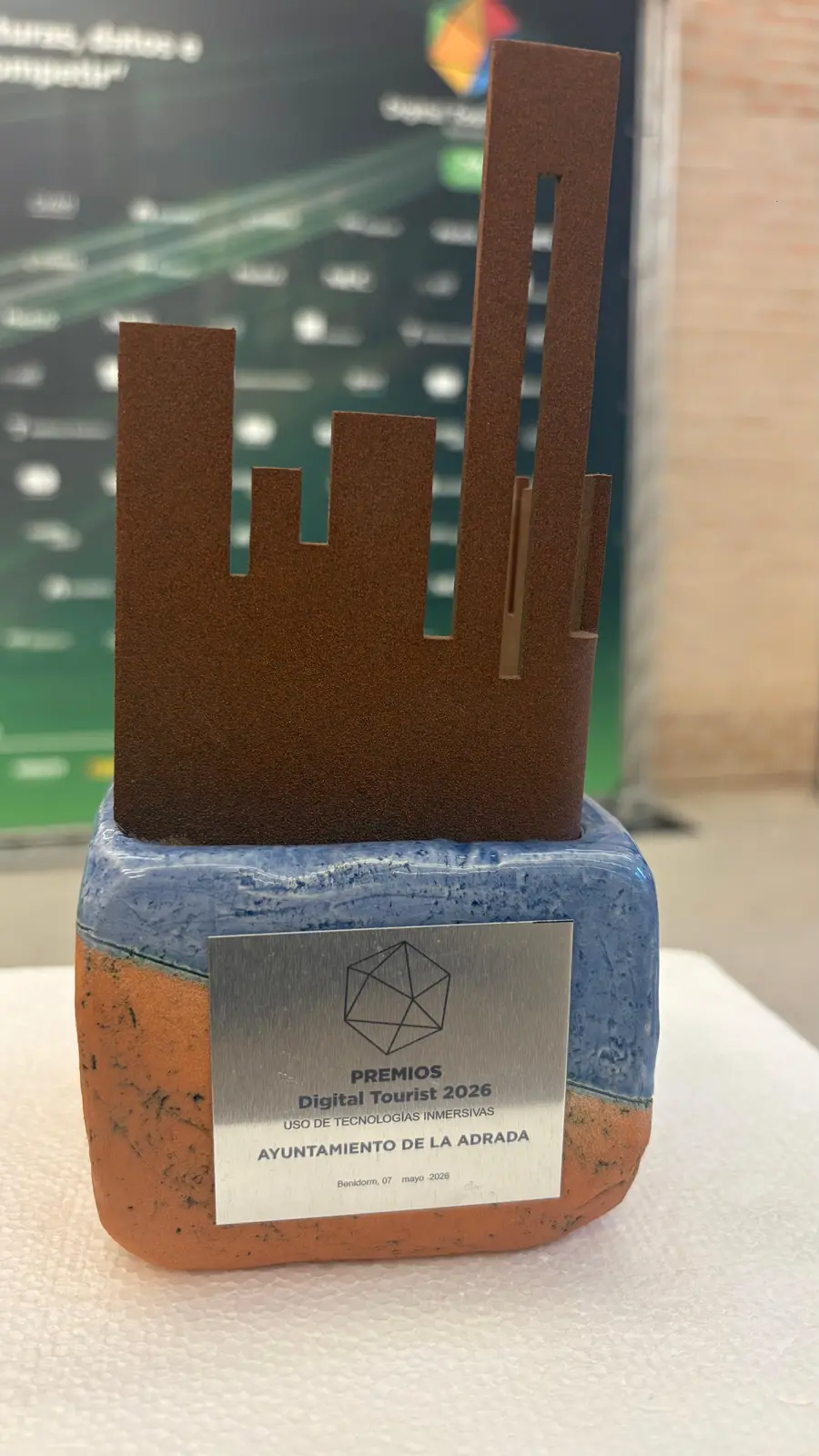
Francisco Javier Alonso, Sales Director at DeuSens, said it himself when collecting the awards: "Going up three times to receive an award at the same gala is not something we expected, and it gives another dimension to last year's work. What the three projects —La Adrada, Dive into Heritage and the Munoa Palace— have in common is that they are in real use, open to the public, not demonstrators. That is what carries weight with a jury like Digital Tourist's".
The triple award confirms a clear strategic line: institutions, councils and bodies like UNESCO trust DeuSens to bring to the territory what most still only present in slides. Three projects, three different immersive technologies and one common operating principle —they are running, real people visit them— which is what truly separates innovation that gets applied from innovation that only gets announced.
SIMILAR CONTENT

PRIVACY POLICY
By chatting you accept our Privacy Policy.
By chatting you accept our Privacy Policy.
Conversation sent. We will be in touch shortly. New conversation


