

18.01.2021
TYPES OF VR DEVICES | What are the types of Virtual Reality glasses that exist?

HIPEREXPERIENCIA
LOADED


 RETURN
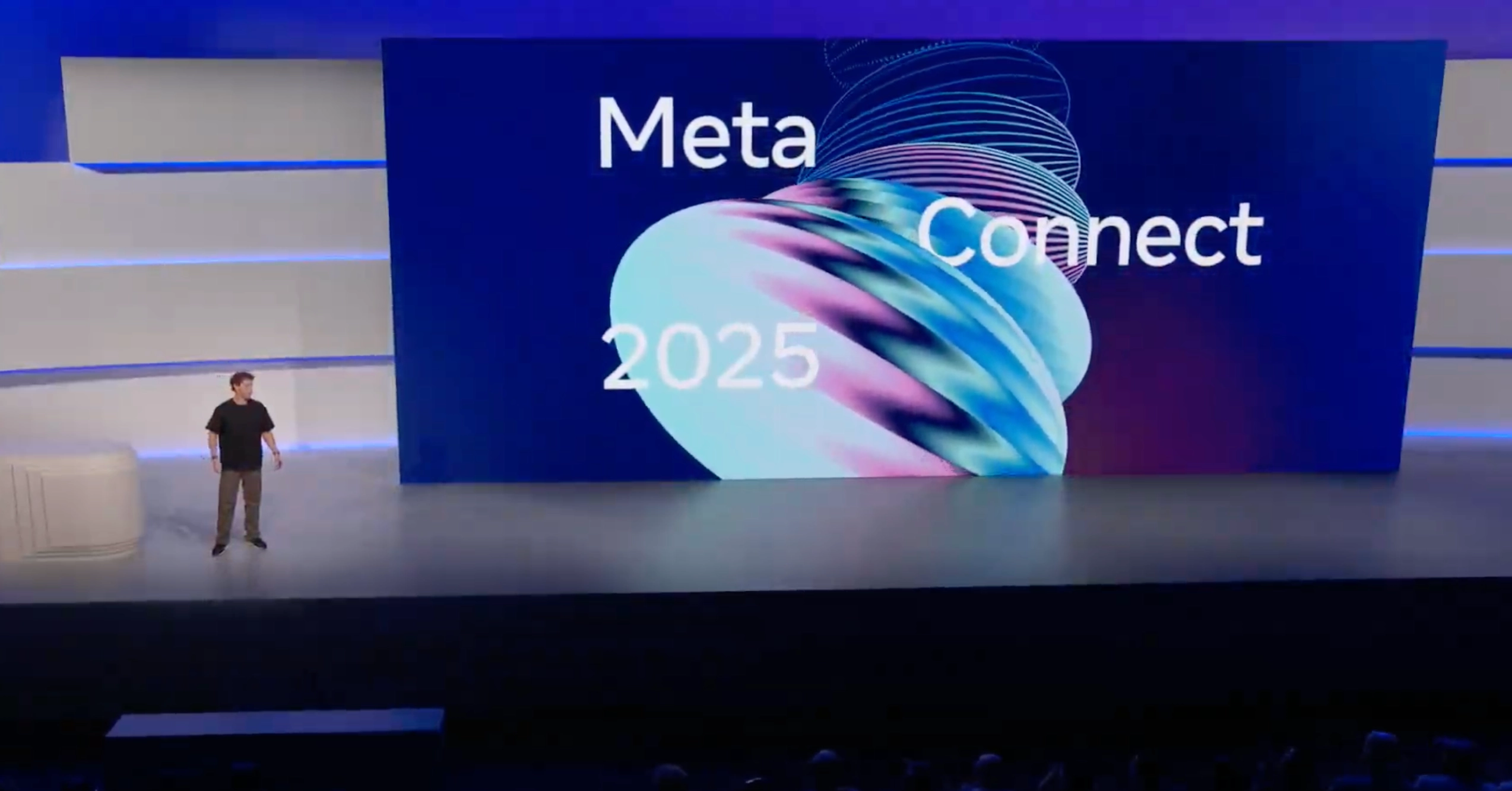
The 2025 edition of Meta Connect has made it clear that Meta's vision for the future of digital interaction is not a distant promise, but a roadmap in progress. With Mark Zuckerberg at the helm, the company unveiled a host of new features that consolidate its commitment to a new category of devices: smart glasses with built-in artificial intelligence. This evolution not only reinforces its positioning strategy in the extended reality (XR) market, but also redefines how people and brands will interact with technology in physical and hybrid environments.
At DeuSens, we see this event as a turning point. Not only because of the technical advances that were presented, but also because of the maturity of the proposals: Meta is no longer talking about futuristic visions, but about products that will hit the market this year. And that means real opportunities for brands that want to integrate these technologies into their marketing, events, training, or retail strategies. In this article, we analyze the key factors that make Meta Connect 2025 a decisive event for the XR ecosystem.
Meta Connect 2025 took place just a few days ago, and as usual, Mark Zuckerberg led the presentation of new developments. The focus was clearly on three pillars: wearable hardware, contextual artificial intelligence, and the expansion of immersive capabilities through new platforms and tools.
Unlike previous editions, where the narrative revolved around long-term concepts such as the metaverse or computer vision, this year Meta presented tangible and functional products with launch dates, defined prices, and use cases clearly aimed at the end consumer. This transition from “tomorrow” to “today” is especially significant for technology companies such as DeuSens, which seek to anticipate trends in order to offer their customers innovative solutions that are applicable in the present.
The presentation of new smart glasses with integrated displays and muscle gesture control, the evolution of Horizon OS, and improved contextual artificial intelligence capabilities show an increasingly integrated approach between hardware and software. For developers, experience creators, and corporate innovation leaders, this means a more fertile, powerful, and connected environment.
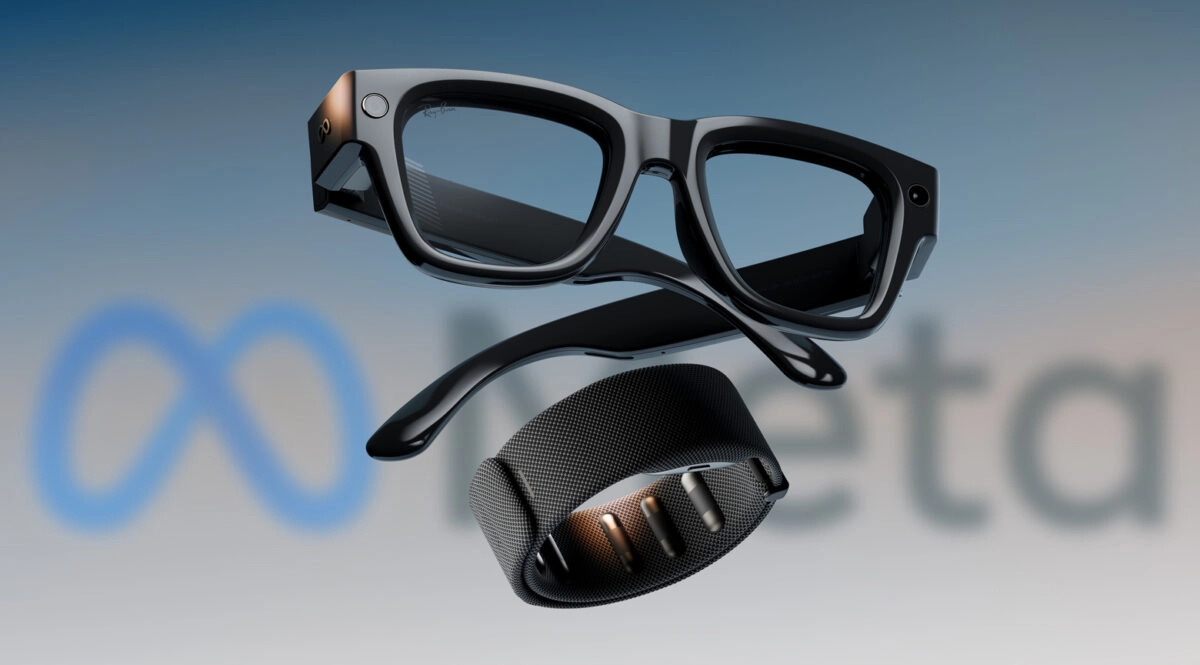
One of the most significant announcements at the event was the presentation of Meta Ray-Ban Display, leaked a few months ago under the code name “Meta Orion”, Meta's first glasses with a screen integrated directly into the lens, similar to a head-up display (HUD). This advance allows text, notifications, or navigation to be projected in real time without isolating the user from their surroundings. It represents a qualitative leap towards non-intrusive Augmented Reality, particularly useful for situations involving mobility, assistance, or field work.
For those of us who develop XR solutions, this visual naturalness opens up a new category of experiences: more discreet, more adaptable, and less dependent on bulky headsets.
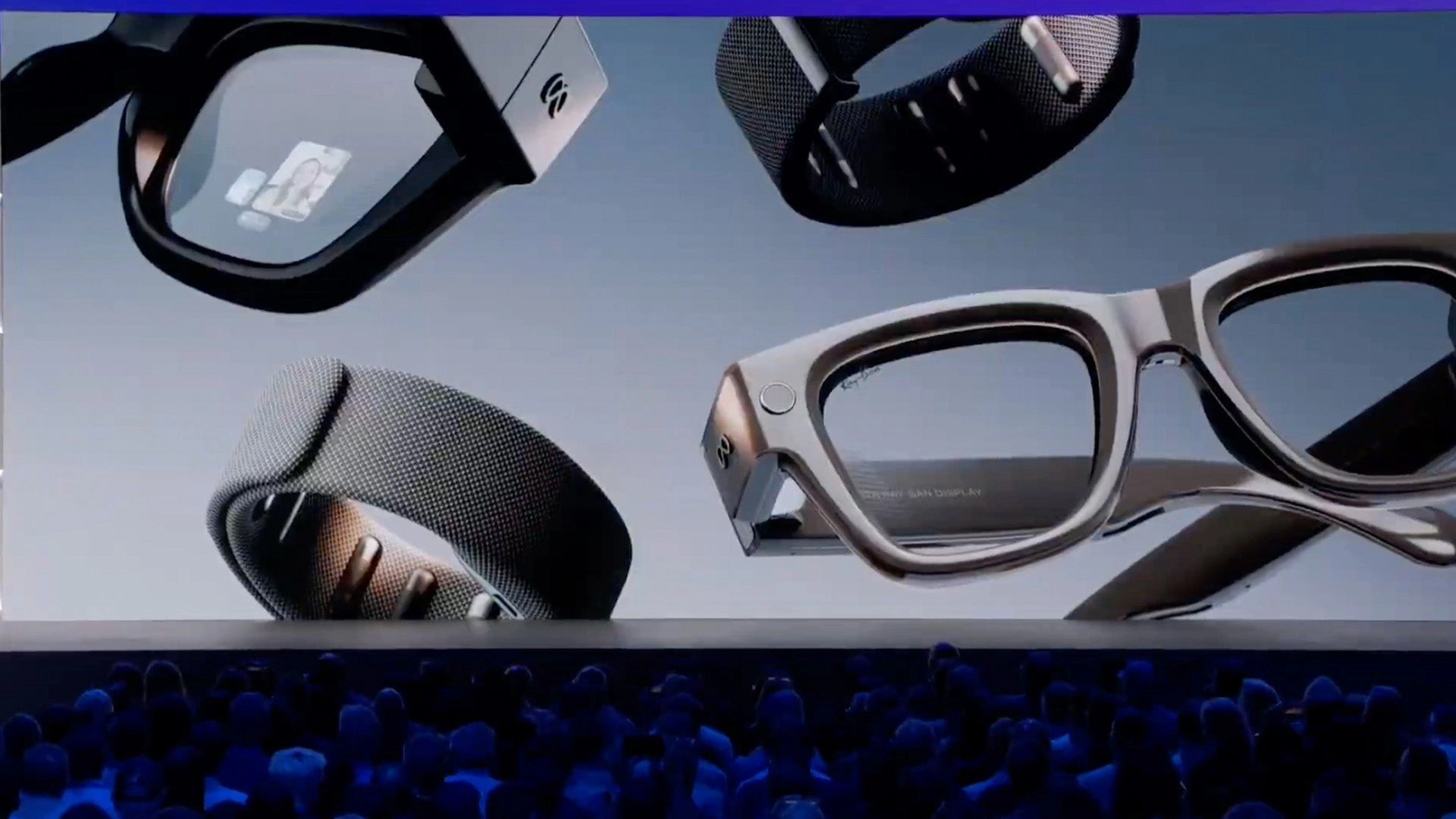
Alongside the glasses, Meta presented the Meta Neural Band, a wristband capable of interpreting the user's electrical muscle impulses (EMG). This allows interactions such as clicks, swipes, or selections to be performed without physically touching the device, simply by moving the fingers or tensing the muscles in the hand.
At DeuSens, we see this type of technology as a key step towards more accessible and intuitive interfaces that can be integrated into corporate, training, or exhibition contexts where physical contact is not always feasible or desirable.
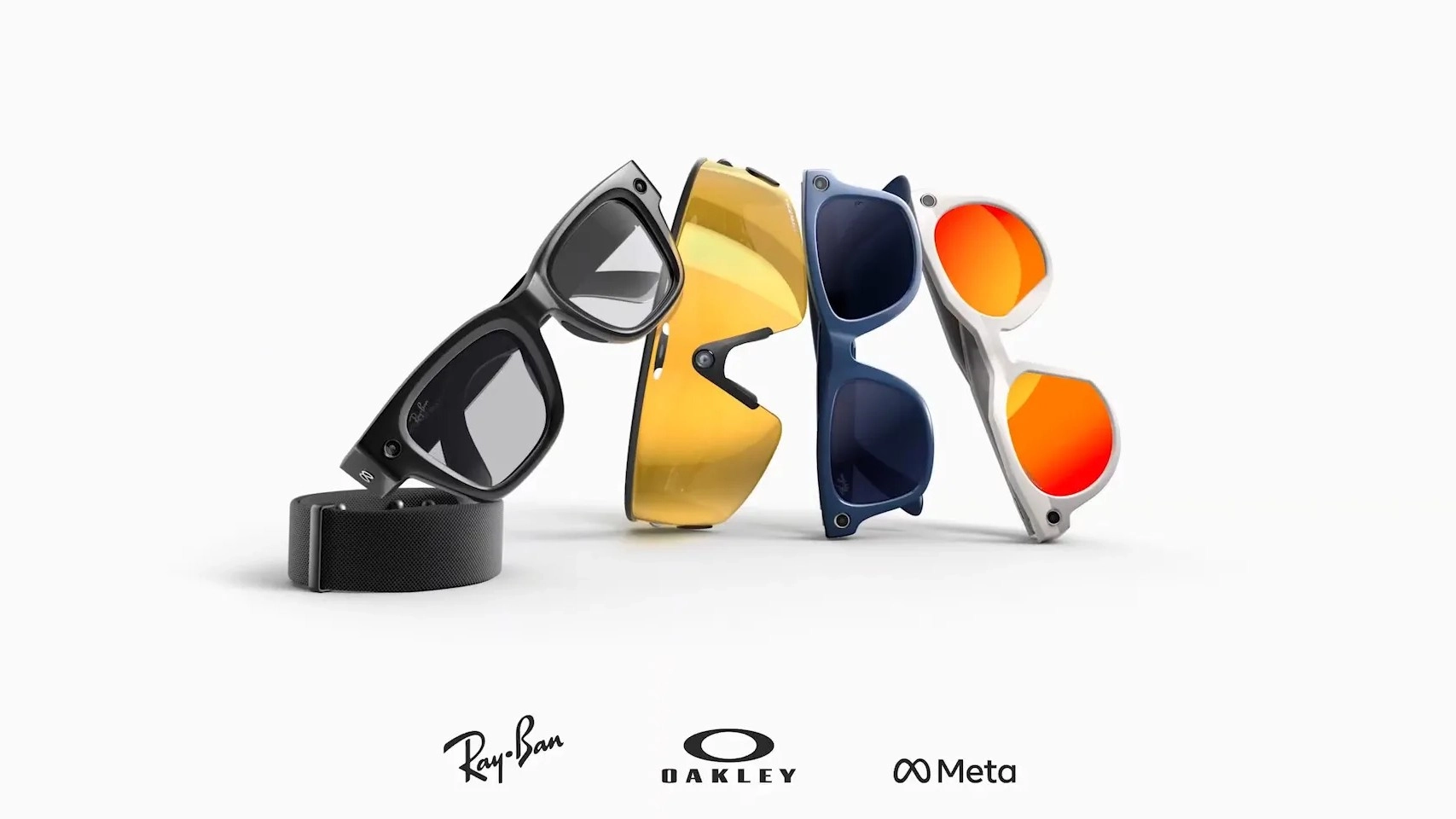
In addition to the model with a display, Meta expanded its catalog with two versions aimed at different audiences:
This product diversification indicates a clear strategy: to normalize the use of smart glasses in different everyday contexts, breaking with the idea that XR should be reserved for controlled or professional spaces.
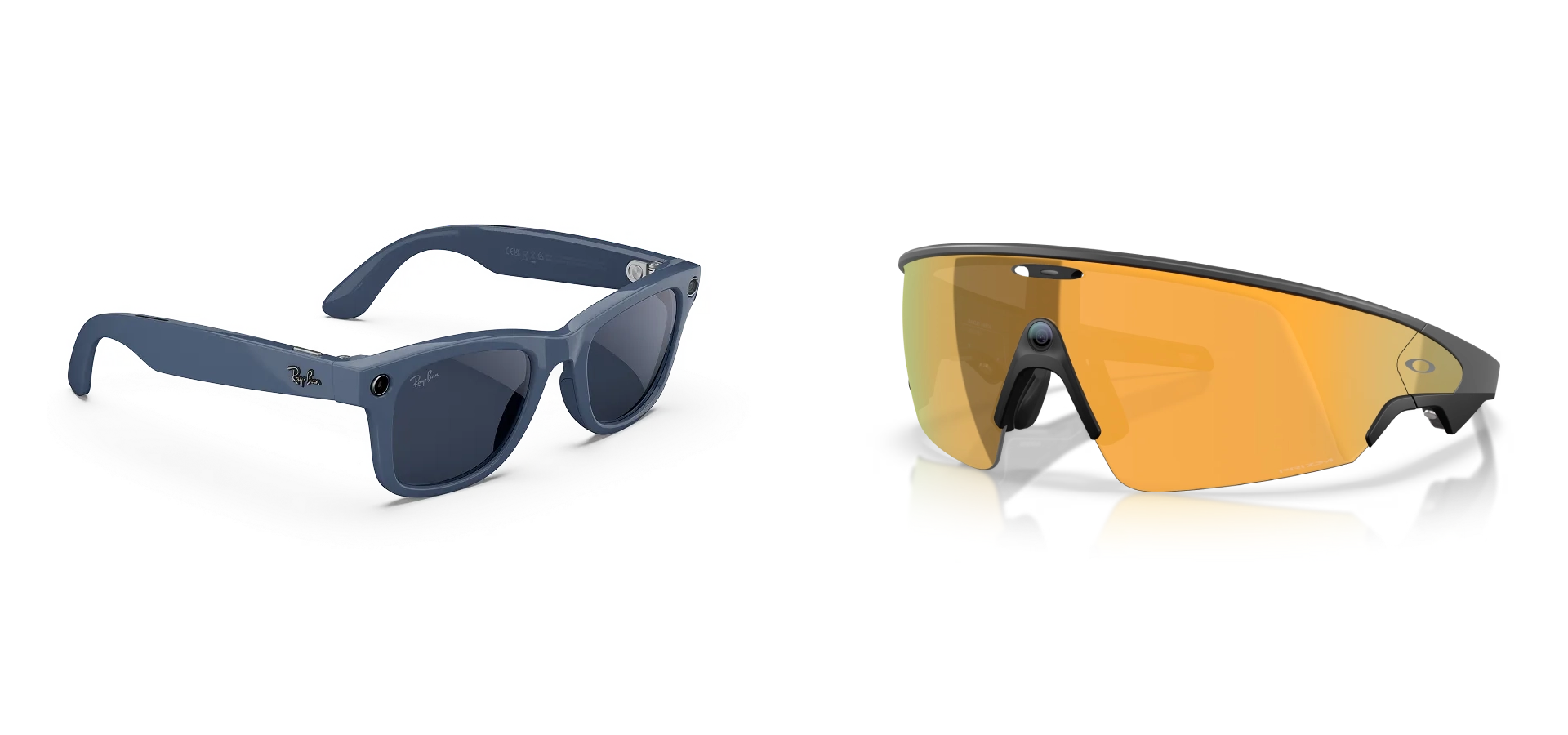
From the point of view of immersive experience design, these glasses are not just a new channel, but a new interface for interaction between the physical and digital worlds. The possibilities are vast: displaying contextual information on guided tours, activating virtual assistants in retail, or generating personalized content at events and trade shows.
Most importantly, these experiences can now be activated naturally, without intermediate screens or invasive devices, improving fluidity and accessibility for the end user.
The announcement of the Wearable Device Access Toolkit marks a turning point in the development ecosystem. Meta is opening up access to the sensors in its glasses (vision, audio, positioning, etc.), allowing studios such as DeuSens to create customized experiences that leverage real-time environmental data.
This multiplies the opportunities to offer personalized solutions in sectors such as technical training, onboarding, experiential marketing, retail, and industry, connecting better with the user and generating memorable interactions.
One of the most disruptive elements in Meta's new devices is their ability to perform contextual artificial intelligence functions, i.e., AI that not only responds to commands but also understands the user's visual and auditory environment in real time. This turns the glasses into a cognitive interface that can assist, suggest, or act proactively based on what is happening in front of you.
Meta demonstrated applications such as live subtitles, simultaneous translation, conversation summaries, and keyword detection in noisy environments. This functionality is not only useful in everyday life, but also offers real value in professional contexts, international events, multilingual brand experiences, and technical training processes.
What Meta proposes with this AI is not an evolution of the traditional voice assistant, but a complete change in the way we interact with information. It is no longer about actively searching for something, but about receiving suggestions, data, or relevant content without interrupting the user's main activity.
At DeuSens, this interaction model allows us to design experiences where content appears just when it is needed, without the need for menus, clicks, or navigation. For example, at a trade show, the user can receive information about a product just by looking at it; in a technical training process, visual instructions can appear when facing a machine; in retail, AI can activate a product configurator based on the customer's body language or gaze.
The true potential of this AI lies not only in what it shows, but in how it adapts to the context and user profile. This opens the door to fully personalized experiences, both in content and form. What's more, it significantly improves accessibility: users with hearing difficulties can activate contextual subtitles, people in multilingual environments can communicate fluently, and anyone can receive contextual help without having to explicitly request it.
From DeuSens' perspective, this approach drives a new generation of more inclusive, adaptive, and efficient interactive solutions, with a direct impact on areas such as training, experiential marketing, and customer service.
Although Meta did not unveil a new virtual reality headset as many had expected, it did announce substantial improvements to Horizon OS, the operating system that powers its XR ecosystem. The most significant development is the opening up of the system to other manufacturers, which will allow third-party devices to run on this platform. This decision aims to consolidate Horizon OS as an XR standard, similar to what Android represents in the mobile world.
For developers like DeuSens, this means a more flexible and scalable environment, where designed experiences can be adapted to a wider variety of devices and environments, without having to start from scratch for each piece of hardware.
Another improvement announced was the new ability to capture real environments in 3D, which will allow users to import physical spaces into their virtual environments. This functionality has very direct applications in areas such as onboarding, technical training, and industrial process simulation, allowing the creation of customized environments based on real workspaces.
At DeuSens, this capability reinforces our approach of hybridization between the physical and digital worlds, allowing us to accurately transfer real spaces to the virtual world to generate much more realistic and relevant training environments, guided tours, or brand experiences.
The introduction of Horizon TV strengthens Meta's content ecosystem, incorporating series, movies, and live events in an immersive format. Although it may seem geared toward personal consumption, this platform also opens up opportunities for the distribution of corporate, promotional, or educational content within the Horizon universe, expanding the possibilities for engagement in XR spaces.
For brands and companies, Horizon TV could become a new channel for generating immersive brand experiences, either through branded entertainment content or as an extension of campaigns carried out at physical events.
With the arrival of smart glasses that integrate augmented vision, contextual artificial intelligence, and contactless gesture control, we are entering a new phase in the design of physical activations in retail, trade shows, and corporate events. It is no longer necessary to use large installations or complex viewers to offer a unique experience: all you need is a pair of lightweight glasses that project content exactly where and when the user needs it.
For DeuSens customers, this represents a real opportunity to create portable interactive experiences, where visitors carry the technology with them, reducing barriers to use and facilitating the scalability of actions. From gaze-activated product configurators to guided tours with augmented information or AI-activated recommendations, the range of possibilities is multiplying.
The power of contextual artificial intelligence applied to marketing lies in its ability to read the environment and respond in a personalized way. This allows us to design experiences that react to the user's profile, language, preferences, and even their gestures. Imagine a trade show where each visitor sees different content on their glasses based on their interests, or a training environment where AI adapts the pace and information to the needs of each student.
At DeuSens, we already work with technologies that enable this personalization, but with the tools presented at Meta Connect 2025, the degree of precision, naturalness, and efficiency is significantly increased.
Companies seeking to innovate in technical training, assisted maintenance, onboarding, or customer service will find these new devices an ideal environment for deploying high-value XR solutions. Display glasses allow users to follow visual instructions while performing physical tasks, receive remote assistance with shared visualization, or train skills in realistic simulated environments without isolating the user.
At DeuSens, we see a clear opportunity to integrate these technologies into sectors such as industry, energy, healthcare, and education, where contextual information and freedom of movement are key. And thanks to the new developer toolkit, we can adapt each experience to the device's sensors, creating fully customized solutions.
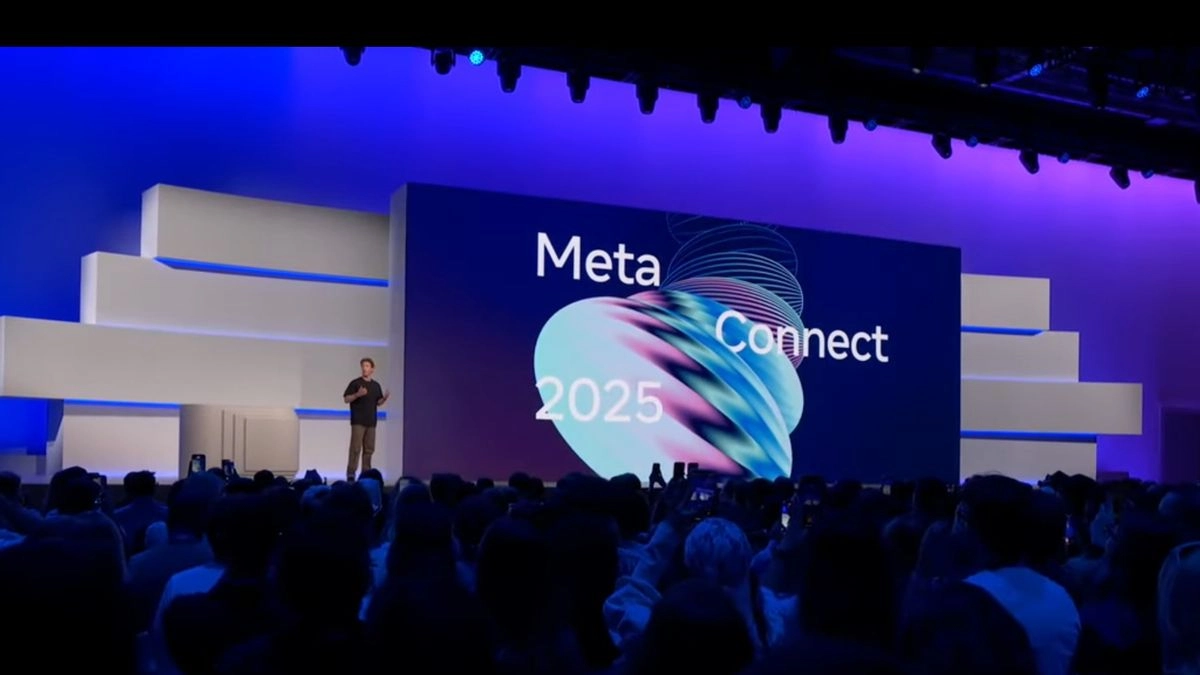
Meta Connect 2025 has not only presented new devices. It has outlined a clear strategy for a future in which immersive technology is no longer a one-off resource but becomes an everyday, cross-cutting, and scalable tool. Smart glasses, combined with contextual artificial intelligence and a new generation of interfaces, open up an unprecedented scenario for brands: creating frictionless, real-time experiences that are integrated into the user's daily life.
At DeuSens, we have been anticipating this convergence between the physical and the digital for years. The new developments presented by Meta validate the path we are already taking with our clients: designing interactive solutions that inform, assist, surprise, and convert, both in virtual and face-to-face environments.
The difference now is that we are no longer talking about the future. We are talking about available technology. About a new space for interaction ready to be explored by companies that want to make a difference with real innovation.
Want to be among the first to apply these technologies to your brand or business? At DeuSens, we help you create personalized immersive experiences with XR, smart glasses, and contextual artificial intelligence. Contact our team and discover everything we can develop with you.
Contact us
SIMILAR CONTENT

PRIVACY POLICY
By chatting you accept our Privacy Policy.
By chatting you accept our Privacy Policy.
Conversation sent. We will be in touch shortly. New conversation


