

 RETURN
18.01.2021
TYPES OF VR DEVICES | What are the types of Virtual Reality glasses that exist?

HIPEREXPERIENCIA
LOADED


The battle between Extended Reality (XR) devices is reaching its peak in 2025, with major tech companies stepping up their efforts to dominate this growing market. Apple, Meta, Samsung, Google, HTC, and now Vivo are competing to dominate a market where technological innovation is advancing by leaps and bounds.
While Apple Vision Pro continues to set the pace with its ecosystem and future updates, Meta is betting big on smart glasses and new headsets, and Samsung and Google are preparing an Android-based XR device that promises to challenge the big players. Meanwhile, Vivo has surprised everyone with ultra-light mixed reality glasses, and HTC is preparing a new launch with the latest technology from Qualcomm.
In this article, we will review the latest developments and trends in XR devices, exploring what each competitor brings to the table and how these strategies will shape the future of virtual reality and mixed reality.
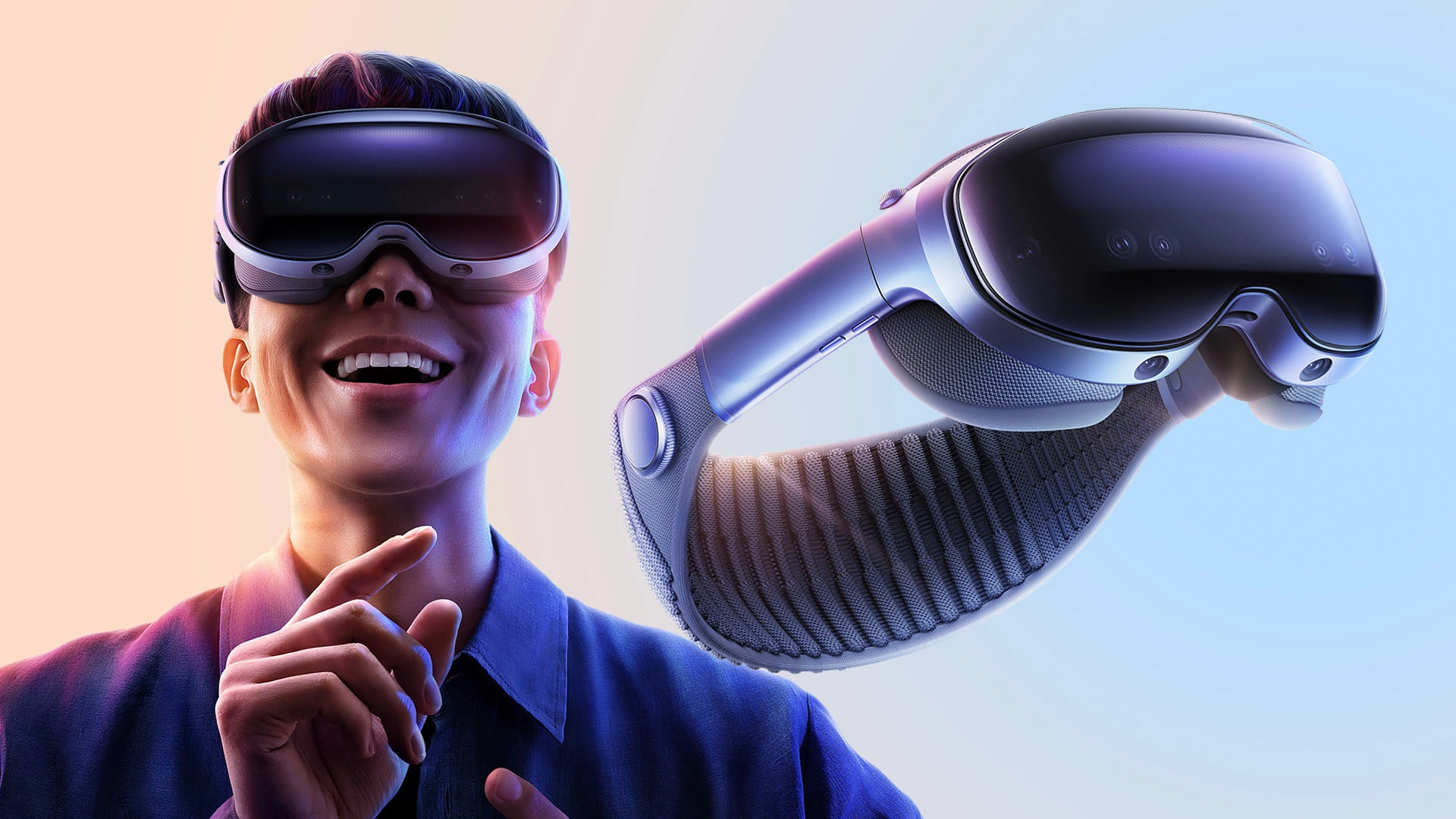
The battle for extended reality in 2025 is as exciting as it is decisive. In a year where competition for the XR market reaches historic highs, Apple stands out as an undisputed pioneer. Its Vision Pro promises to be a game-changer, although its adoption has been slower than expected.
With the launch of visionOS 26, Apple has high hopes of revolutionizing the spatial experience. Through astute partnerships with Sony, Canon, and GoPro, Apple is seeking a stronger market position and to strengthen its technological offering. This is a critical moment for the Cupertino-based company that challenges the norm.
The Vision Pro was announced as the flagship product to mark leadership in XR, but its acceptance among consumers has been limited. However, its technical features and innovative design continue to fascinate a specialized segment of users.
This device not only promises complete immersion in virtual environments, but also promises to be the bridge to a new dimension of content consumption. Despite the emergence of powerful offerings from companies such as Meta and Samsung, Apple maintains its position at the forefront of XR experiences.
The brilliant minds behind the brand are moving decisively to capture both attention and market share in XR. One bold move has been the supposed development of the Vision Air, a model that is expected to be more accessible and lightweight, powered by the powerful M5 chip.
The strategy of reducing cost and weight promises to expand the user base. This initiative, coupled with support for visionOS 26, charts a new horizon for the mass adoption of XR. Combining elegance with functionality, the Vision Air is poised to be a success.

The new operating system, visionOS 26, represents Apple's commitment to providing an unprecedented user experience in extended reality. With this advancement, the focus is on device interconnectivity and content integration that enhances XR usage.
Collaborations with Sony, Canon, and GoPro suggest a synergy that promises significant advances. More than ever, users will have access to multichannel experiences that go beyond simple entertainment, fostering true immersion.
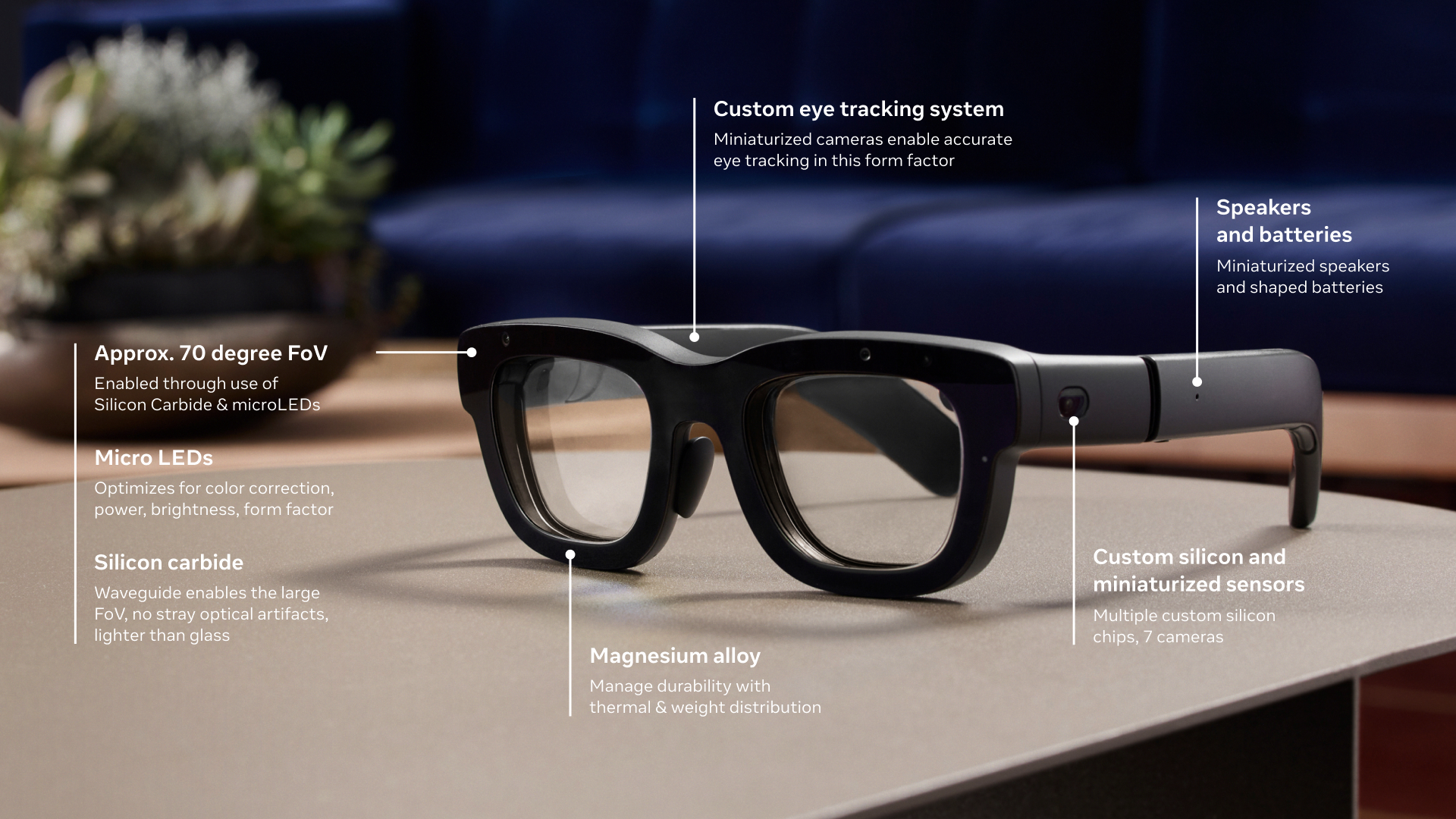
Meta maintains an aggressive strategy in the race for XR dominance. With its plans for new devices such as Hypernova glasses, it is directly challenging Google and seeking to become the benchmark for smart glasses.
Mientras Meta compite ferozmente, sus Hypernova glasses, también conocidas como anteriormente como Meta Orion AR, captan la atención del público por su diseño vanguardista y tecnología de punta. Son más que simples lentes, son ventanas a nuevos mundos.
Su asociación con Disney y estudios como A24 es una jugada maestra, utilizando contenido exclusivo para atraer a los consumidores y capitalizar sus plataformas. Con prototipos innovadores como “Tiramisu” y “Boba 3” exhibidos en SIGGRAPH 2025, el mercado observa con interés cómo Meta redefine la inmersión.
As Meta competes fiercely, its Hypernova glasses, formerly known as Meta Orion AR, are capturing the public's attention with their cutting-edge design and state-of-the-art technology. They are more than just glasses; they are windows to new worlds.
Its partnership with Disney and studios like A24 is a masterstroke, using exclusive content to attract consumers and capitalize on its platforms. With innovative prototypes like “Tiramisu” and “Boba 3” showcased at SIGGRAPH 2025, the market watches with interest as Meta redefines immersion.
La alianza estratégica de Samsung y Google en el desarrollo de su visor basado en Android XR, conocido como el proyecto Moohan, constituye una apuesta fuerte a desbancar el ecosistema de Apple.
The strategic alliance between Samsung and Google in the development of their Android XR-based headset, known as Project Moohan, represents a strong bid to unseat Apple's ecosystem.
The openness of the Android system provides a competitive advantage that should not be underestimated. This open approach allows for extensive customization and encourages innovation among developers.
The flexibility of Android XR opens up an incredible landscape where users are the real protagonists. The user experience is at the heart of this project, offering endless possibilities that only an open system can provide.
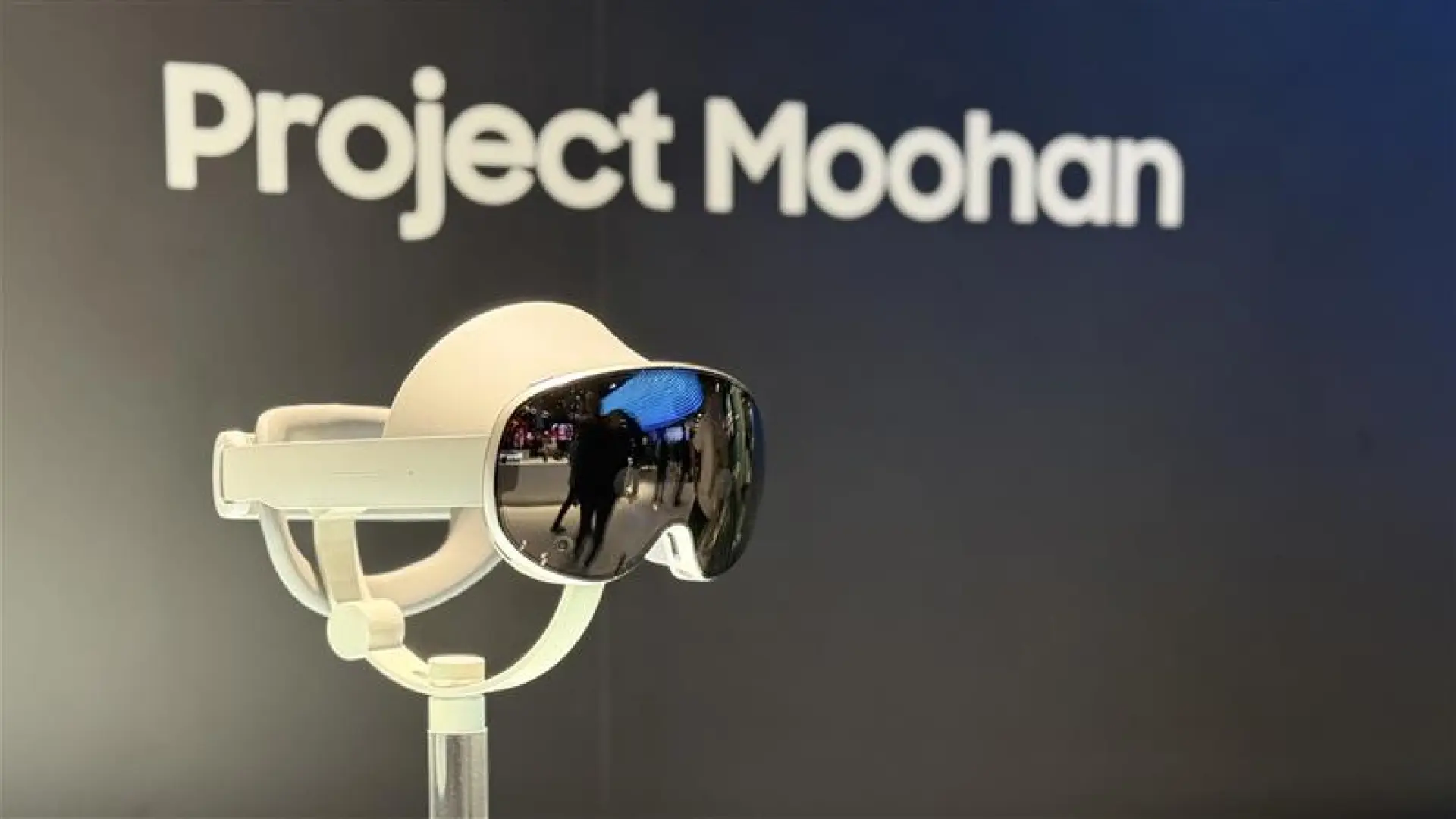
Certainly, the launch of the project in October 2025 is a statement. Moohan is not only a credible alternative but also represents strong opposition to Apple's closed system. This positioning challenges Apple to redefine its strategy to preserve its relevance in the market.
A new contender; Vivo enters the XR race with its MR Vision Discovery Edition glasses, offering dual 8K displays and ZEISS optics. This device promises not only an ultra-lightweight design but also an exceptional visual experience.
Vivo has capitalized on interest in a device that combines professional utility and consumer appeal. MR glasses serve as tools for complex applications while remaining accessible to casual users.
Without a doubt, the ultra-lightweight design is a crucial attribute that will determine its success in the market, demonstrating how precision engineering can offer comfort without sacrificing functionality.
HTC has also taken bold steps in the development of XR devices with its new headset powered by the Snapdragon XR2+ Gen 2 chip. This offering introduces technological improvements that raise the bar for performance.
HTC's innovations stand out mainly for their focus on optimizing the user experience. The brand has taken note of the lessons learned from previous models, ensuring tangible progress in quality and ease of use.
The XR community is responding favorably to these developments, but their mass adoption will depend on how effectively HTC can convey their advantages to the public.
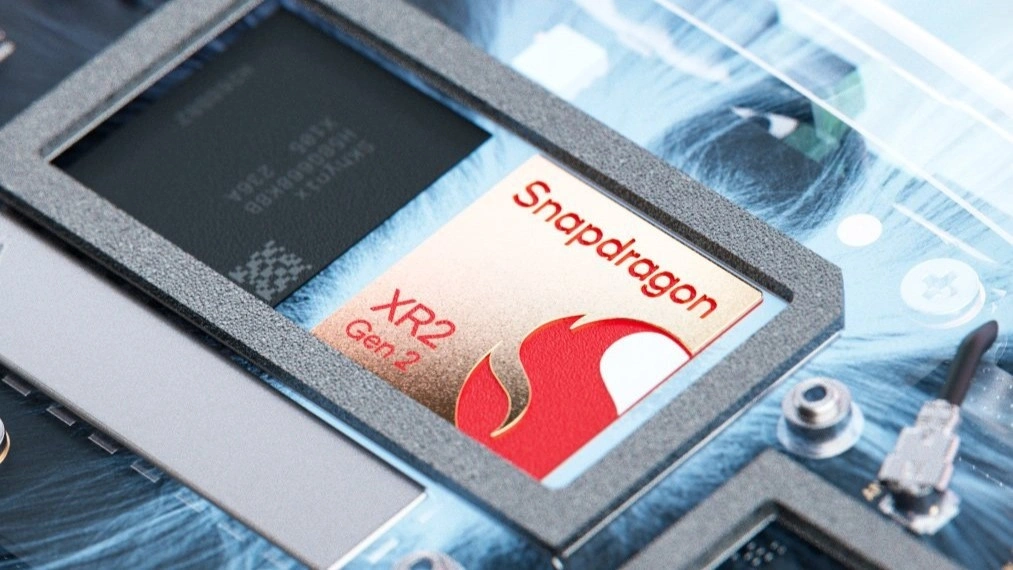
The XR market is at an exciting crossroads. Lighter, more integrated devices continue the trend of shifting the focus from hardware to the entire XR ecosystem. With rapid strides toward hybrid virtual and mixed reality experiences, developers are focused on creating immersive platforms that define how we interact with the digital world.
The potential for mass adoption is promising, supported by collaborations between tech giants and an environment brimming with innovation. Current XR market statistics show sustained growth driving these trends.
The year 2025 will mark a critical point in the evolution of extended reality. While Apple remains a pioneer with its Vision Pro, the race is far from over. Threats from Meta, Samsung, Google, and others are palpable.
The openness of the Android system and new offerings from HTC and Vivo show that the power of choice and customization lies in the hands of consumers. Innovation will continue to be at the heart of this competition. A future where extended reality becomes an integral part of our daily lives seems within reach. With so many forces at play, the real winner will be whoever manages to integrate most organically into the user experience.
We are excited to see how technological advances, together with creative integration strategies, will make XR a global standard. Ultimately, leadership in this field will depend on who captures the public's imagination with unforgettable and effective experiences.
If you are interested in applying Extended Reality to your business but don't know how and need specialists to guide you, advise you, and help you make it happen, write to us and we will design a customized project for your business.
Contact us
SIMILAR CONTENT

PRIVACY POLICY
By chatting you accept our Privacy Policy.
By chatting you accept our Privacy Policy.
Conversation sent. We will be in touch shortly. New conversation


