

 RETURN
18.01.2021
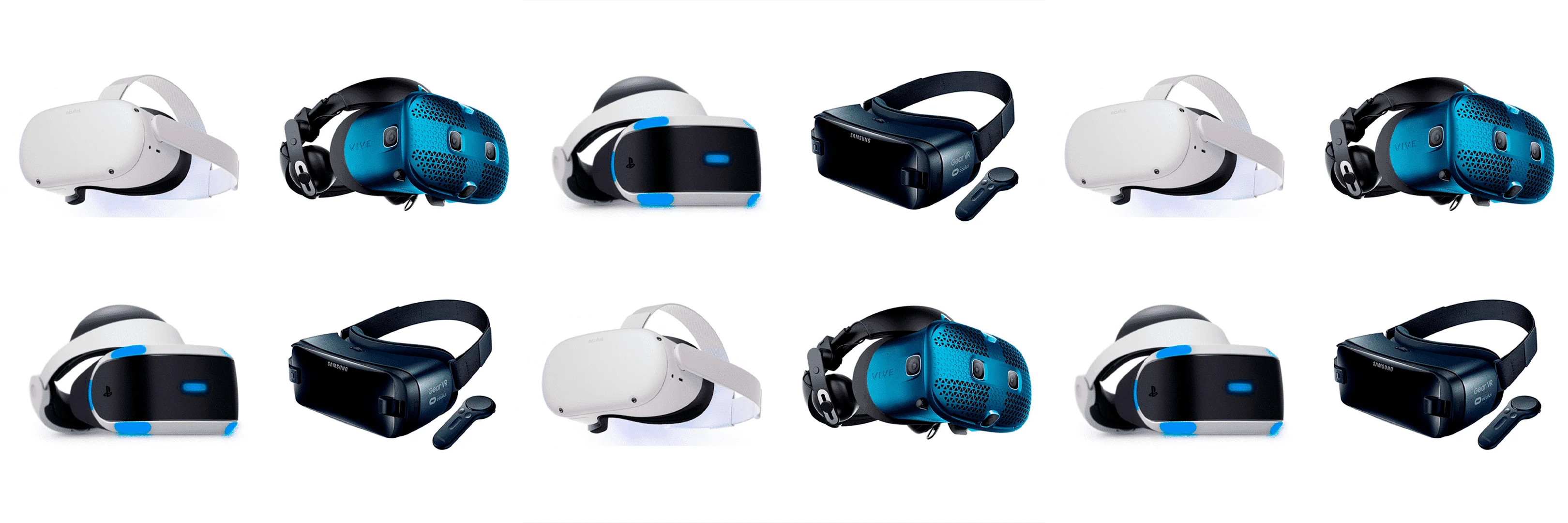
TYPES OF VR DEVICES | What are the types of Virtual Reality glasses that exist?

HIPEREXPERIENCIA
LOADED


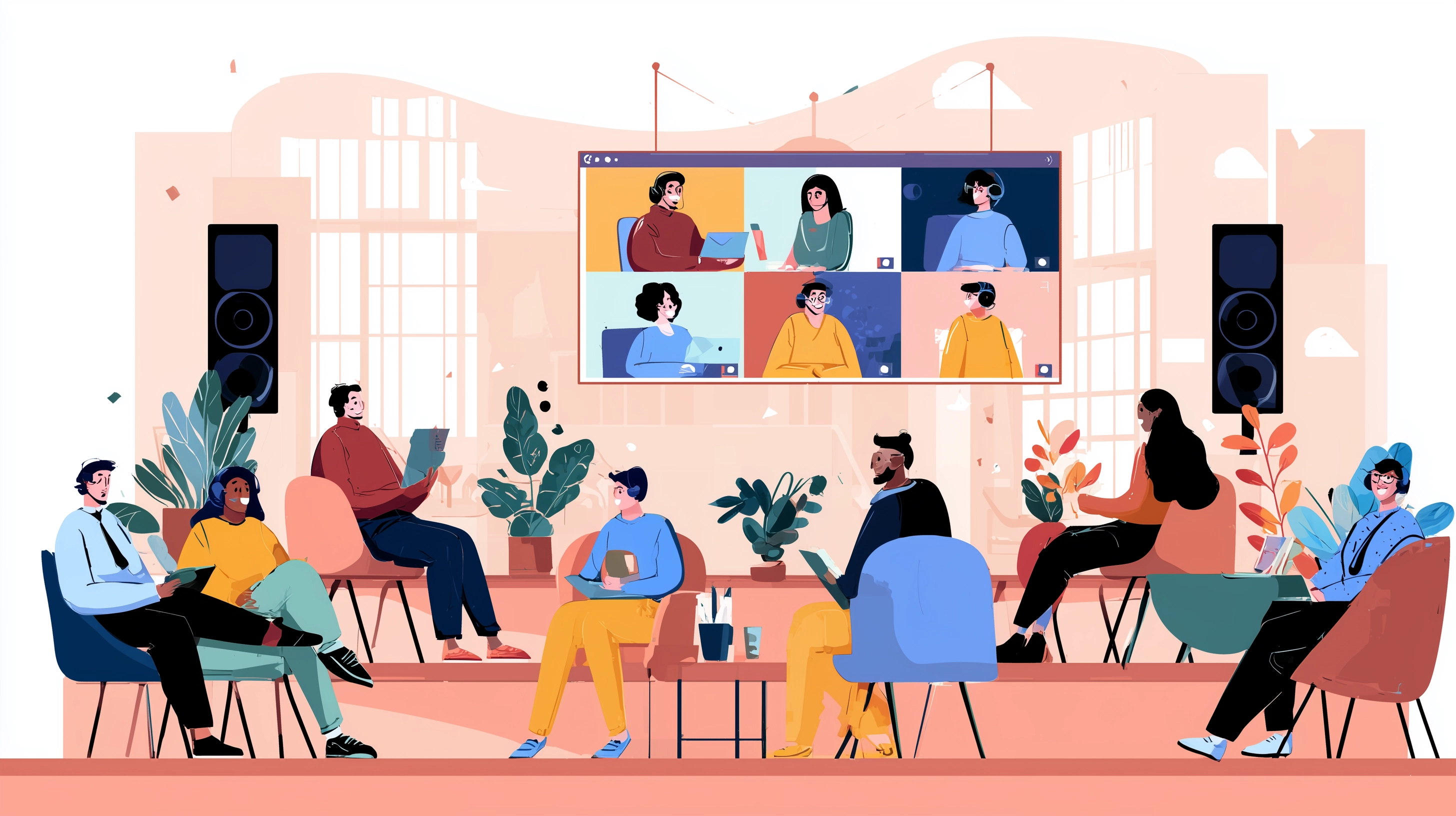
Digital events have gone from being an alternative to becoming a centerpiece of the marketing strategy. However, many companies still replicate the traditional webinar model: a speaker talks, while attendees listen silently or, at best, type in a chaotic chat.
The result is a list of emails, but very little information about who is actually interested or ready to buy. The new generation of virtual events goes one step further. It's about creating immersive experiences where communication is two-way, instantaneous and personal. In this article, we'll explore how to integrate direct communication channels into your digital events to transform the experience and, more importantly, your sales pipeline.
Imagine that, instead of a webinar, you organize a virtual trade show with “booths” or thematic rooms. An attendee enters your space dedicated to the “Launch of Product X”. He is interested, but has a very specific technical question that he does not want to write in a public chat.
At a traditional event, that lead gets cold and lost. At a next-generation event, the attendee sees a button, “Talk to a specialist now”. When clicked, it initiates an instant video call with a member of your sales team, right from the browser. This ability to connect in real time is made possible by a unified communications platform running in the cloud, removing any barriers to immediate contact. It's no longer a case of “leave your email and we'll get back to you”, but “let's solve your question right now”.
Not all attendees want to make a video call. Some prefer a more asynchronous and personal channel. This is where the integration of different channels becomes crucial in order not to miss any opportunities.
Let's think about another success story. A B2B consulting firm holds a digital workshop on process optimization. Within the event platform, they offer two additional contact channels:
The key is to manage all these interactions (calls, video calls, WhatsApp chats) from a single place, so that your sales team is not overwhelmed and can deal with each query in an orderly and professional manner.
You've accomplished something amazing: having high-value voice and video conversations with your most interested prospects. But how do you scale the follow-up? How do you identify which conversations were the most promising?
This is where artificial intelligence changes the game. All of those conversations can be recorded and analyzed automatically. Using conversational analytics tools, the platform can:
Transcribe 100% of calls.
Detect keywords: Automatically identify when a prospect mentions “budget,” “competition,” “implementation timeline,” or shows a clear intent to buy.
Analyze sentiment: Measure customer satisfaction or frustration to better understand their predisposition.
Thanks to this, your sales team receives a post-event summary not only with a list of attendees, but with a ranking of the “hottest” leads and the exact topics to address in the follow-up call. The process goes from reactive to proactive and incredibly efficient.
Digital events can no longer be a one-way communication channel. The future, and the present, of lead acquisition in this environment is through direct and immediate interaction. By combining an immersive event platform with a unified communications solution, you not only deliver a memorable experience, you build a qualified and automated sales funnel.
The next time you plan a digital event, ask yourself: am I going to give a speech or start a conversation? The answer will determine the success of your investment.
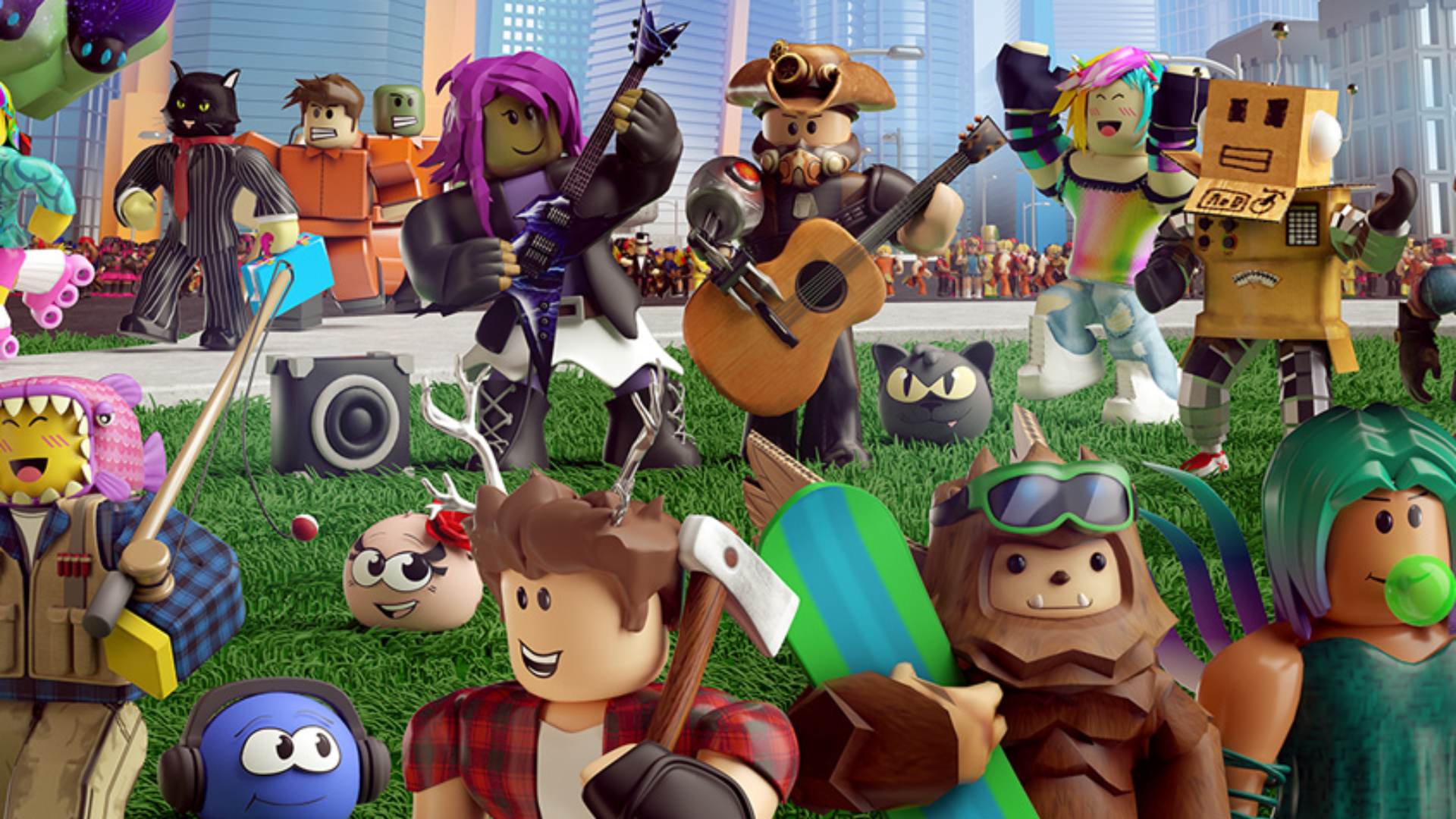
Immersive Extended Reality (XR) and Metaverse events are no longer the future; they are the present of brand interaction. We create stunning virtual worlds and detailed avatars that generate unprecedented engagement. The key is to break the digital barrier and enable human conversation at the exact moment of maximum interest.
Imagine a customer at your virtual trade show, interacting with your product. Right at that moment of maximum interest, it is possible to press a “Talk now” button and start a video call instantly with your team, without having to leave the virtual experience.
To achieve this, business communication platforms can be integrated to enable these direct calls from any browser. In this way, you transform a passive exhibition space into an active sales opportunity, capturing the customer just when they are most receptive.
Imagine a customer is exploring a product at your virtual event and wants more details, such as a catalog or a quote. Instead of fussing with forms, he simply clicks on a button that says “Send to my WhatsApp”. Instantly, he receives all the information on his cell phone to view whenever he wants.
This is the easiest way to make sure that interest is not lost. By connecting WhatsApp as a business channel, you create a direct bridge from your virtual world to the application that the customer uses the most. This way, the conversation can continue naturally long after the event is over, turning a curious visitor into a real potential customer.
Once the virtual event is over, we analyze all the voice conversations to discover who the most valuable contacts are. Instead of a person having to listen to hours of recordings, an intelligent system automatically reviews everything using speech analytics technology.
This analysis instantly detects which people mentioned keywords such as “budget” or “price” and who showed the most interest in their tone of voice. Thus, your sales team receives a short and precise list of the best contacts to call first, proving that the event was not only a visual experience, but a powerful tool to generate business.
SIMILAR CONTENT

PRIVACY POLICY
By chatting you accept our Privacy Policy.
By chatting you accept our Privacy Policy.
Conversation sent. We will be in touch shortly. New conversation


