

 RETURN
18.01.2021
TYPES OF VR DEVICES | What are the types of Virtual Reality glasses that exist?

HIPEREXPERIENCIA
LOADED


During October 2025, we have seen a large number of announcements and significant developments that we consider to be of great relevance to the Extended Reality (XR) ecosystem—from consumer headsets to development tools and key events. Both established and emerging brands are stepping up their commitment to hardware, software, and immersive experiences, opening up opportunities for studios such as DeuSens.
For this reason, we feel a moral obligation to inform you and tell you what is happening and how all these developments may affect the near future of the sector.
It seems that in October, all the major brands dedicated to the development of Extended Reality devices have agreed to make their big announcements and continue competing in the race to be the manufacturer that finds the key to reaching the mass market.
We begin with one of the big announcements this October. Last week, on October 22, Samsung officially unveiled its new Extended Reality headset, previously known as ‘Project Moohan’, which will be marketed under the name Samsung Galaxy XR. It is the first headset to be launched on the Android XR platform developed in collaboration with Google and Qualcomm.
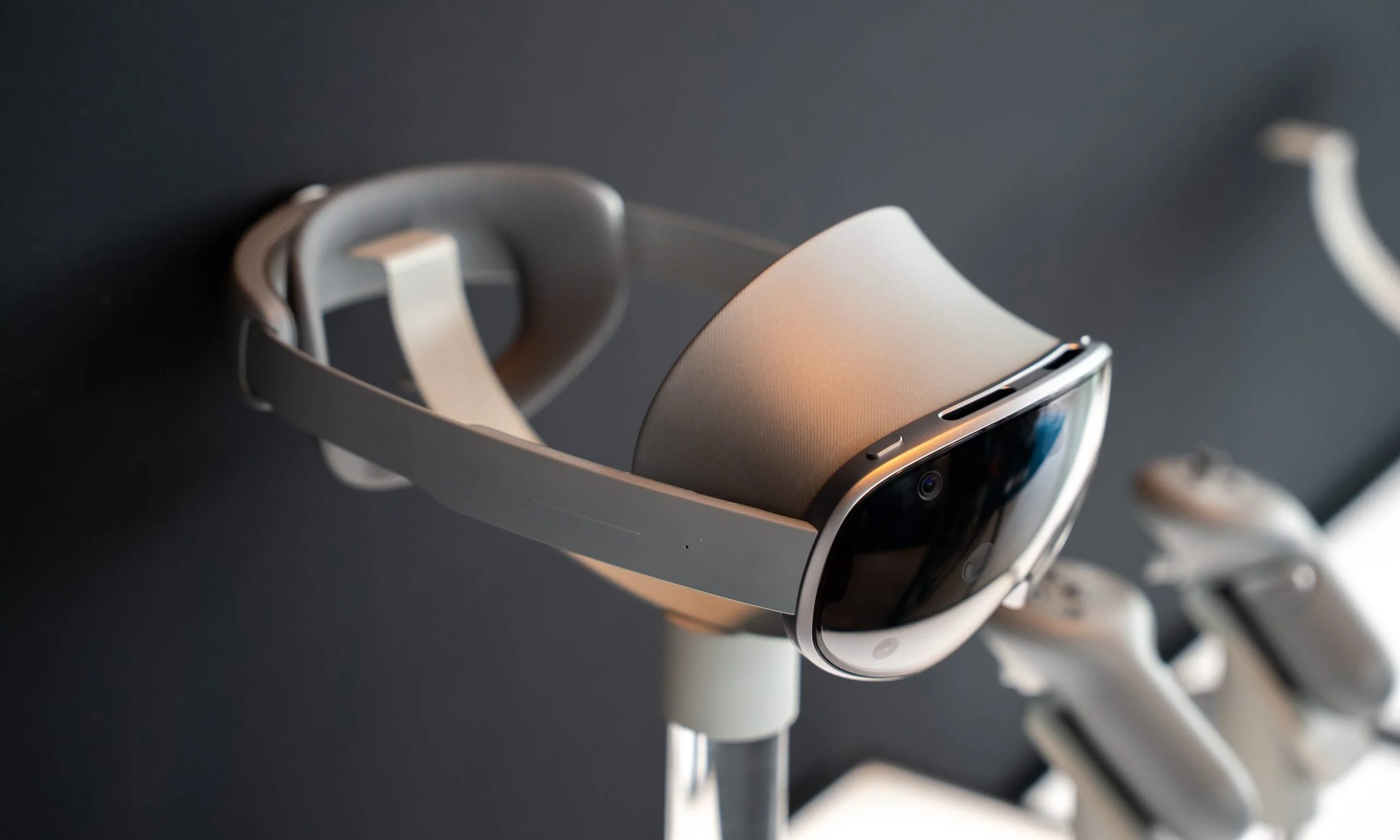
Conceptualized and designed to compete with Apples Vision Pro, it has a starting price of US$1,799 and will initially be available in the US and South Korea, betting on a more open ecosystem than that of traditional rivals.
In our professional opinion, this launch marks three relevant trends:
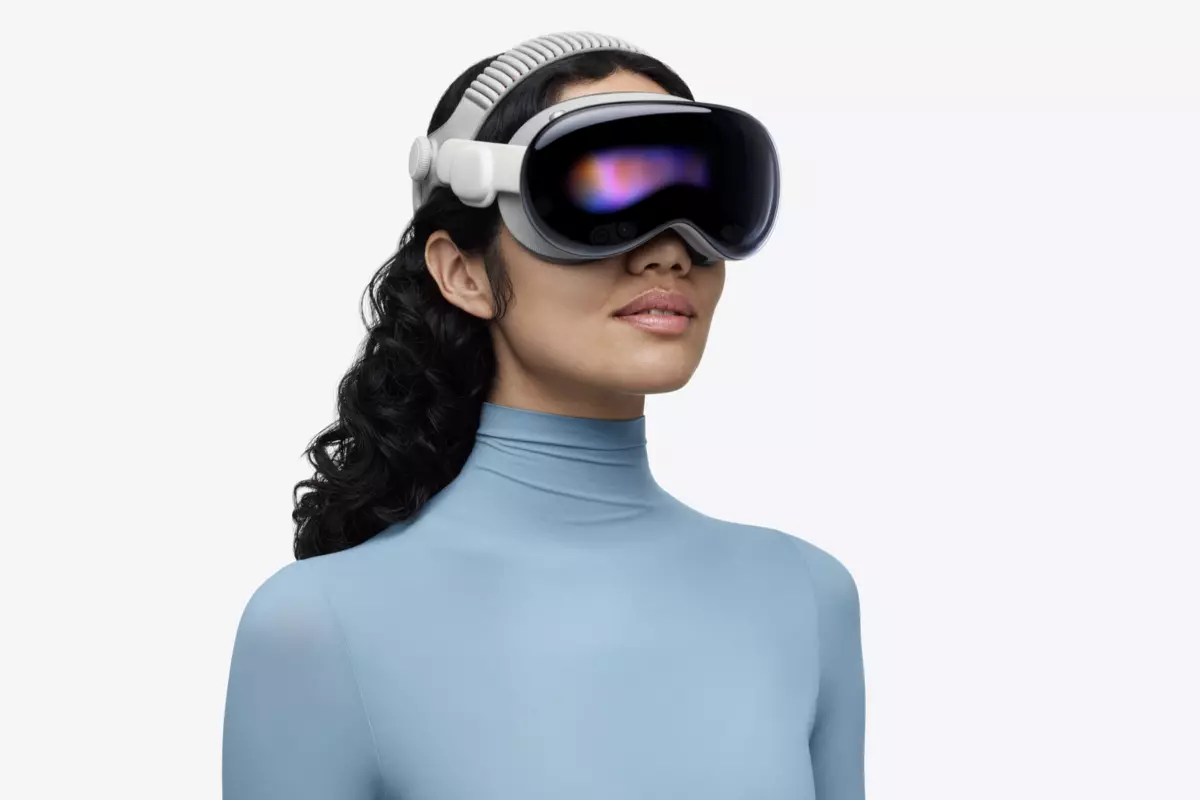
At the same time that a new device from the competition arrives, Apple has decided to launch an update to its flagship headset, the Vision Pro, as a revamp of the device's technology, including the new M5 chip, a refresh rate of up to 120 Hz, an increase of approximately 10% in pixels, and improvements in AI flows.
This “new model” has been available since October 22, and although it is not revolutionary, it seems to reaffirm that Apple is still committed to Extended Reality, with a small price reduction of $300.
This move seems to confirm that XR is not a marginal experiment for Apple or a secondary technology. The demand for immersive experiences for consumption, education, or business, among many other areas, continues to grow, and for us, knowing that these devices are gaining technical muscle means that our solutions can be further optimized for increasingly premium performance in pursuit of the best possible quality.
Meta has not been left behind either. In September, it unveiled its new smart glasses in collaboration with Ray-Ban, the Meta Ray-Ban Display, which feature a screen in the right lens to display augmented reality content, and the Neural Band control bracelet, which uses electromyography to detect neural impulses when certain gestures are made.
This device is certainly a far cry from the previous two, with a clear aim of integrating into the user's daily life and complementing the functionalities of our smartphones.
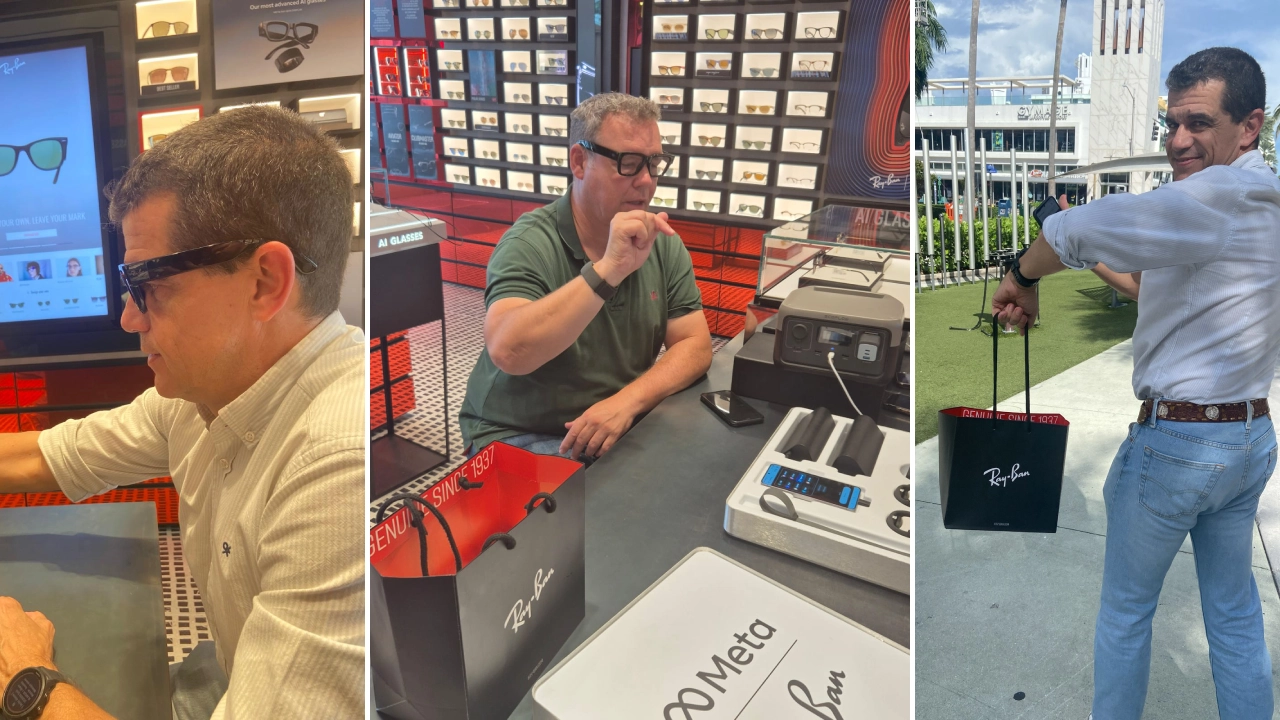
Although their initial price is US$799 and they are only available in the US, at DeuSens we have been the first to bring them to Spain and try them out. In summary, we can say that they stand out for their comfort and style, their features are really useful in everyday life, and they have the potential to be the first XR device to become mainstream.
Despite this, they still have a poor app ecosystem and do not allow developers and studios like us to create their own experiences and apps, at least not yet. So, in conclusion, we will have to wait and see how their gradual introduction into the market develops, but we must keep a close eye on them.
If you want to know more about them in detail, here is a review by YouTuber eSavants, who spent time with our commercial director, Javier Alonso, testing them thoroughly and has compiled all his impressions in this review.
Its relevance in the market could mark the transition of XR towards lighter and more everyday forms and devices, such as smart glasses, which will have an impact on brand activations, retail, and everyday use. This is an area in which we at DeuSens hope to continue offering value by creating experiences for more accessible wearables.
But it's not all about hardware and devices; this October has also brought news in the field of software and graphics engines.
For its part, Unity has partnered with the Android XR platform, newly created under the umbrella of Google, which certifies the accessibility and ease of creating content for this new operating system through this graphics engine, which will have dedicated extensions that allow XR experiences to be developed more efficiently for devices using Android XR.
For us, from a professional point of view, this is great news and means that XR developments can be optimized for a broader ecosystem, reducing costs and time. It also makes it easier for customers to access multi-platform experiences, allowing them to be developed from a single engine for different devices.
Thus, it seems that Google and Android XR want to become the standard operating system and enable software backward compatibility between devices. We already know that Apple is going it alone, but what will Meta do? Will it join Google to boost the XR ecosystem or continue to seek its own path? Only time will tell...
And, as a counterpart, we must also highlight the launch of Unreal Engine 5.5, a new version of the graphics engine that promises to improve rendering, mobile production workflows, and virtual production—key factors for high-impact XR applications (such as brand activations, metaverse environments, or virtual tours). Although not all sources have specified the exact announcement date, the improvement is part of the XR agenda for this fall from the graphics engine owned by Epic Games.
XR is not just the preserve of major international brands. Significant advances are also being made at the national level, increasingly positioning us as one of the major hubs of XR innovation in Europe.
Our project “The Traces of Paper", in collaboration with Telefónica for the La Adrada City Council, has been nominated for the next.reality Contest awards, which recognize innovative XR projects internationally.

Another of our own projects, 'Step Forward', in collaboration with Down España and Fundación VASS, has been nominated for the Premios Discapnet awards, given by Fundación Once to the best projects with social purpose and impact of the year. Virtual Reality applied to the inclusion of people with Down syndrome demonstrates that XR can generate real value beyond marketing or entertainment.
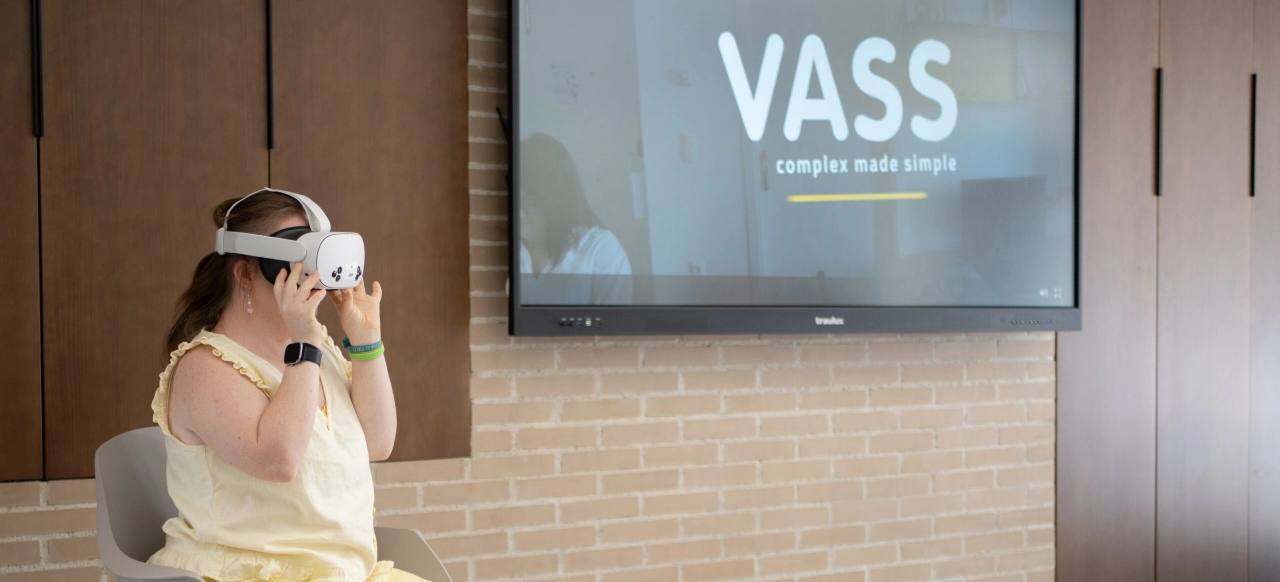
The live XR entertainment (LBE) experience is experiencing a new surge in popularity, and KARTeX is a prime example of this: immersive simulators, shared VR environments, advanced user experiences. At DeuSens, we have identified this market as a strategic niche for brands seeking memorable activations.

The AR-PA 2025 conference, which will take place in Valladolid on November 13, 14, and 15, will feature the participation of DeuSens alongside Telefónica. These types of events bring together specialists in heritage, AI, and XR, confirming that immersive technology is becoming increasingly integrated into professional and cultural environments.
The XR community in Spain gained momentum with platforms such as DescubreXR Pro, which this year focuses on the professional environment to highlight the companies that make the development of the XR ecosystem in Spain possible. A new event on the calendar that will feature conferences, workshops, networking, and opportunities to connect developers, brands, and talent, with the aim of creating a fertile environment for companies such as DeuSens that operate in B2B XR. See you in Lleida on November 13!
The OWN Zaragoza 2025 festival (November 21-23) incorporates a space for XR activations and user experiences. Organized by Encom and guests such as local representatives from the gaming and XR technology sectors, these types of events are always showcases for displaying projects and connecting with brands interested in immersive experiences.
In summary, October 2025 shows an XR ecosystem in full acceleration:
At DeuSens, we are ready to accompany companies that want to take advantage of this moment. If you want to discover how to apply XR to your marketing, training, or brand activations, don't hesitate to contact us. Let's talk!
SIMILAR CONTENT

PRIVACY POLICY
By chatting you accept our Privacy Policy.
By chatting you accept our Privacy Policy.
Conversation sent. We will be in touch shortly. New conversation


