

FunMirror at Madrid Horse Week 2021 | Hyperexperience at the fair

HIPEREXPERIENCIA
LOADED


ENGLISH


ESPAÑOL

ITALIANO
CONTACT

 RETURN
'The Path of Holy Grail' | Historical and heritage VR experience for La Sotonera Town Council

TECHNOLOGY
IMMERSIVE TECH
USE CASE
TOOL
CLIENT
The Town Council of La Sotonera manages the Bolea Interpretation Center, which houses a museum dedicated to the history of the town, highlighting its role in the custody of the Holy Grail.
GOAL ACHIEVED
Promoting cultural heritage and boosting tourism through immersive technologies.

Immersive experience to revitalise the historical and tourist heritage
The La Sotonera Town Council entrusted DeuSens with the development of a virtual reality experience designed to serve as a tool for historical dissemination, tourism promotion, and heritage enhancement. The goal was to complement the visitor experience at the Bolea Interpretation Centre with an innovative and accessible proposal capable of attracting new audiences and improving the visit through immersive technology.
DeuSens developed a narrative and interactive VR experience that allowed users to discover the history of the Holy Grail and its journey through key locations until reaching its current home in the Cathedral of Valencia. The project was part of a broader strategy to boost cultural tourism in the area by incorporating technological innovation into heritage spaces.
Narrative with historical reconstructions and realistic animations
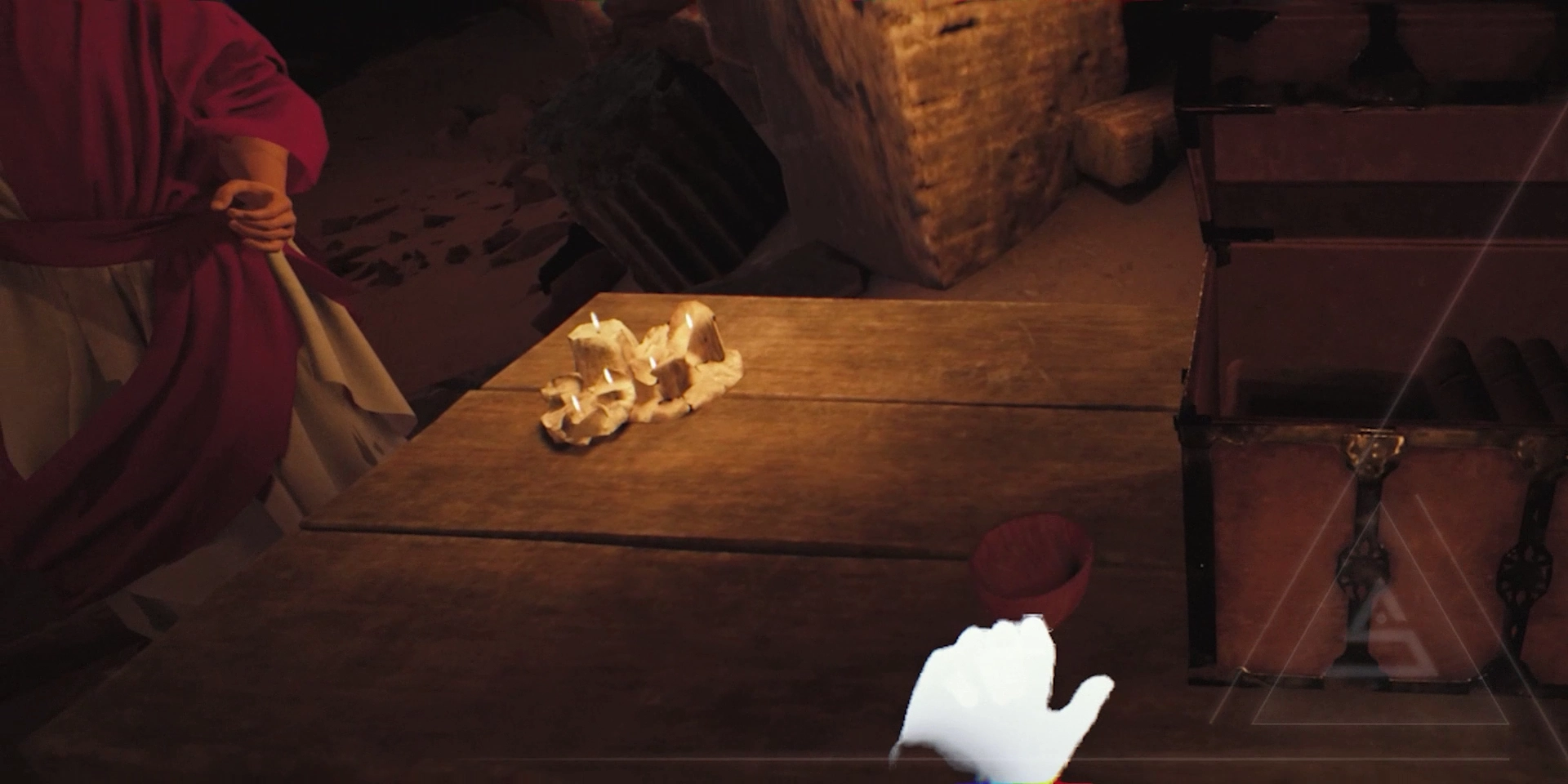
The experience, titled "The Path of Holy Grail", was developed in Unreal Engine 5 for HTC VIVE Focus Vision headsets in PC VR mode, ensuring high graphical performance and smooth movement. It had an approximate duration of 10 minutes and combined a voice-over narrator, 3D characters animated using motion capture, and virtual environments modelled based on historical references.
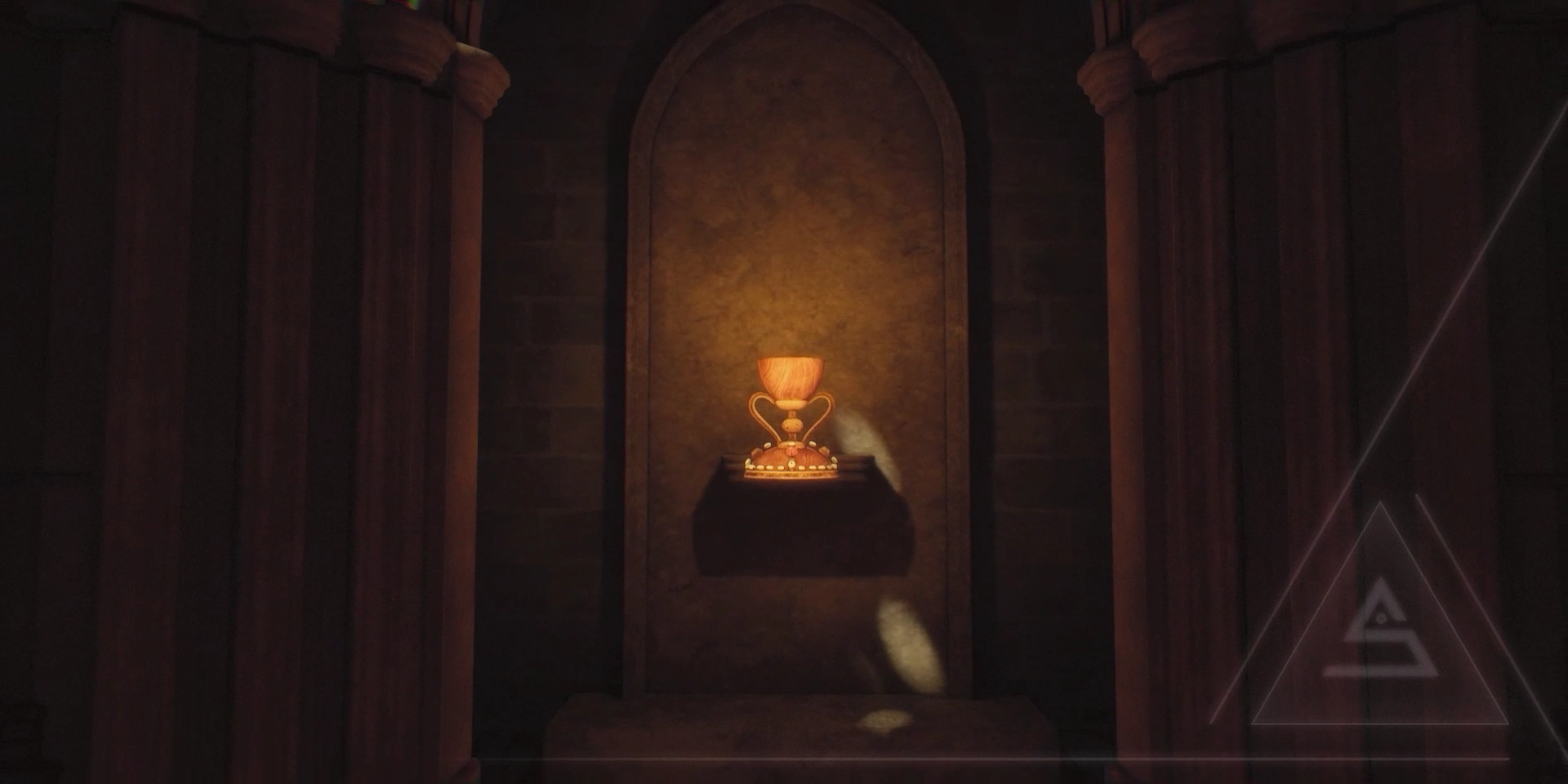
The journey began and ended at the Cathedral of Valencia, where the Holy Grail is currently preserved. Throughout the experience, users travelled through key moments and places in its history:
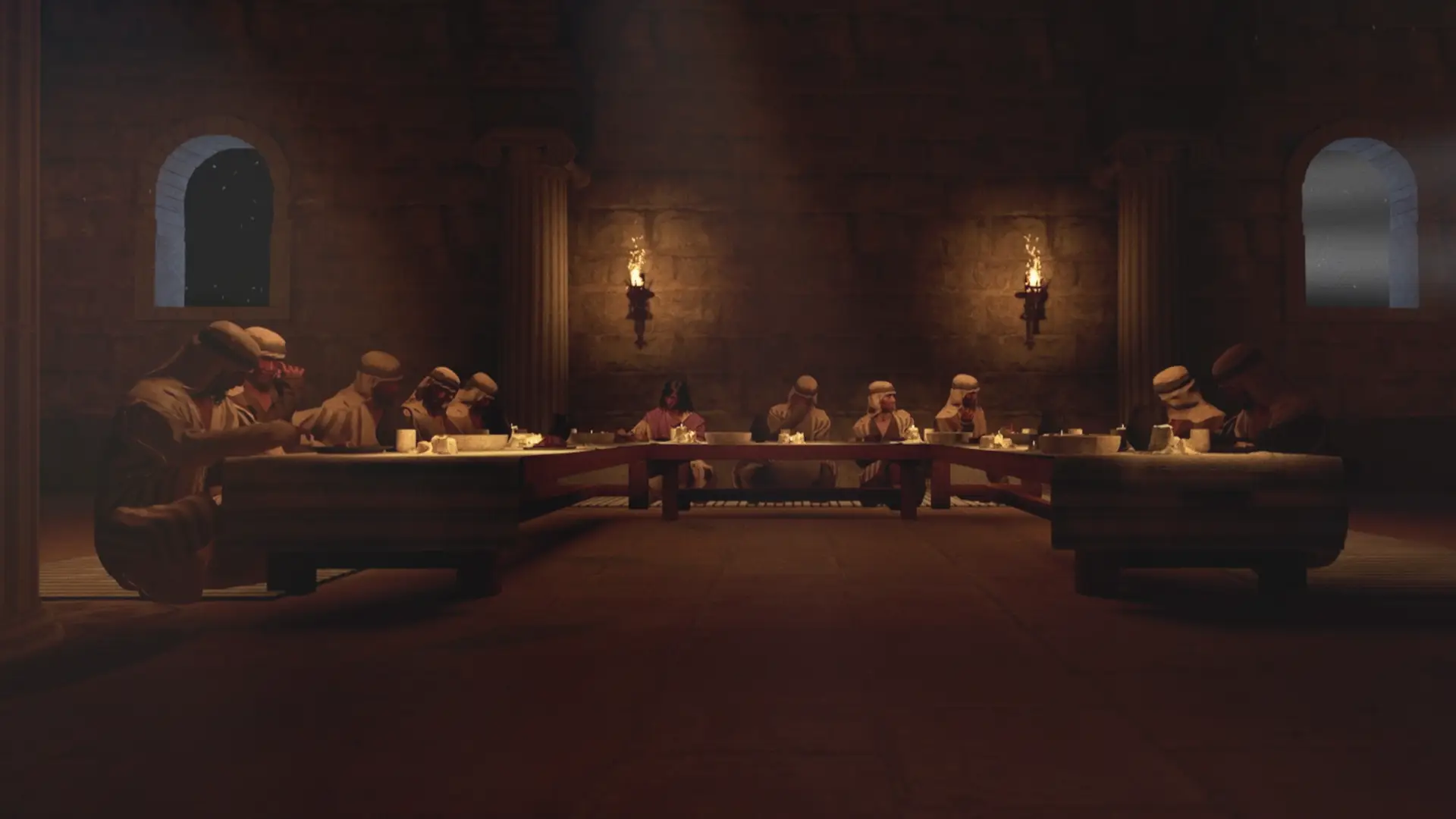
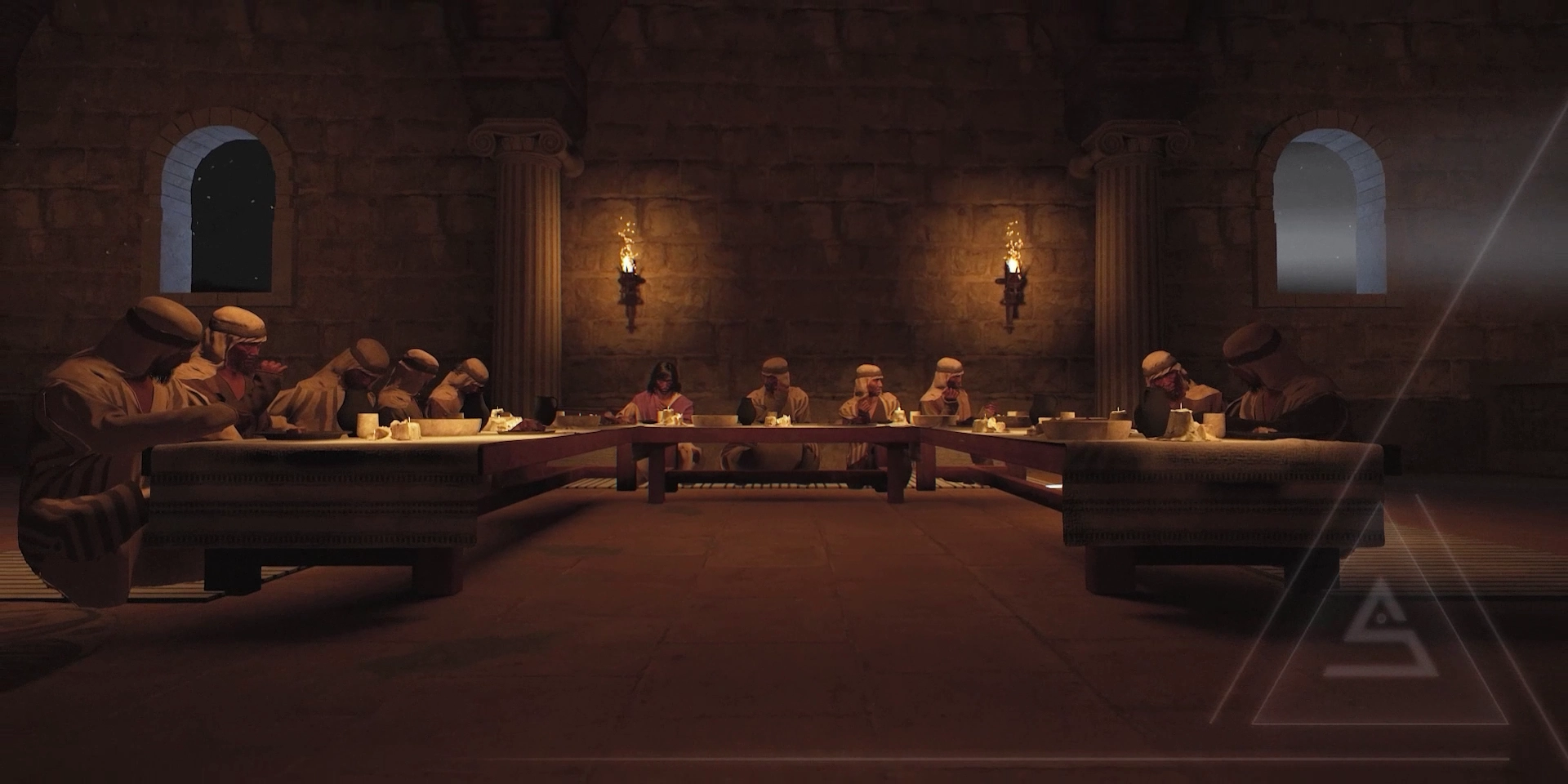
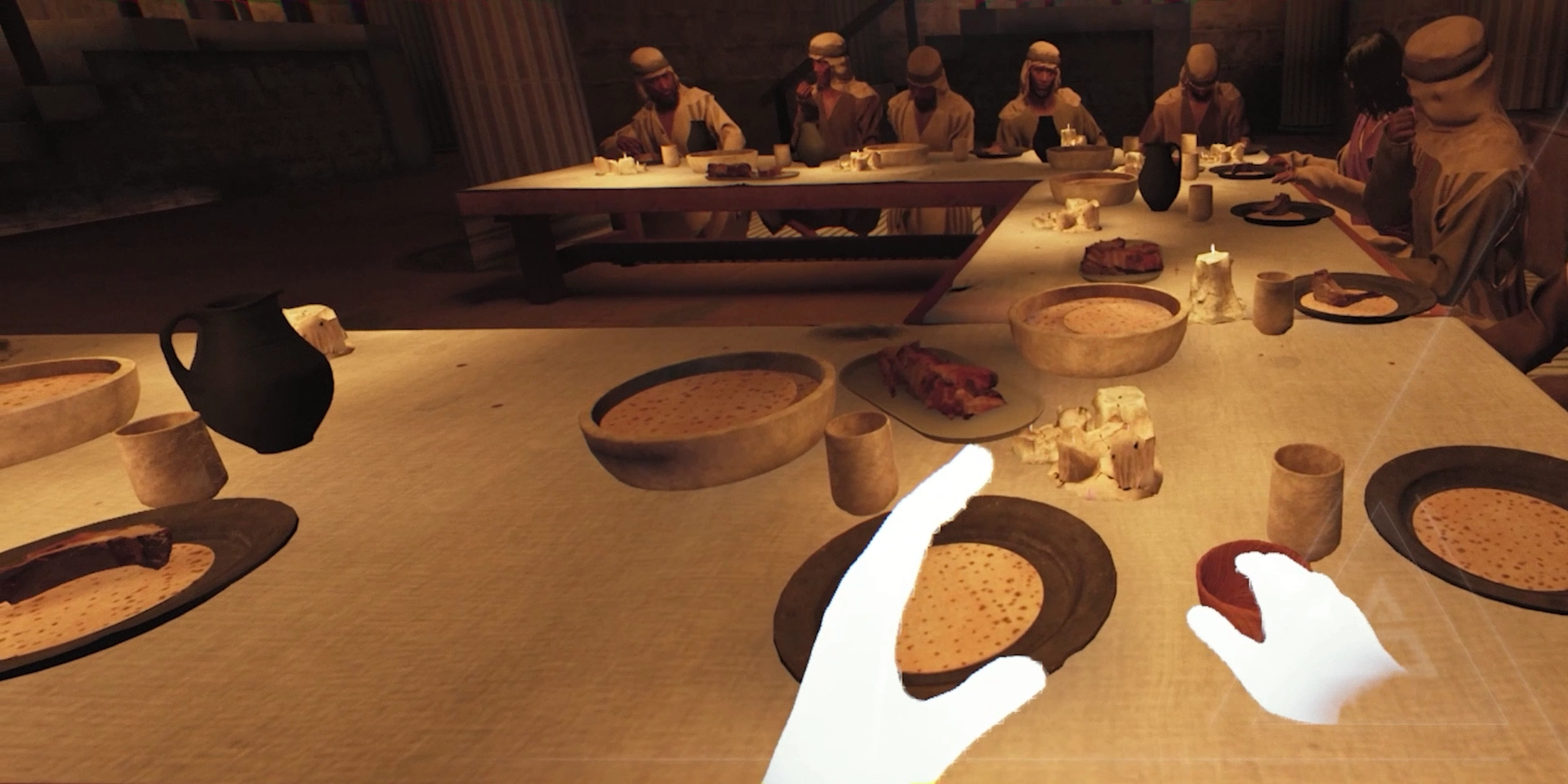
- Jerusalem, depicting a gathering of early Christian followers.
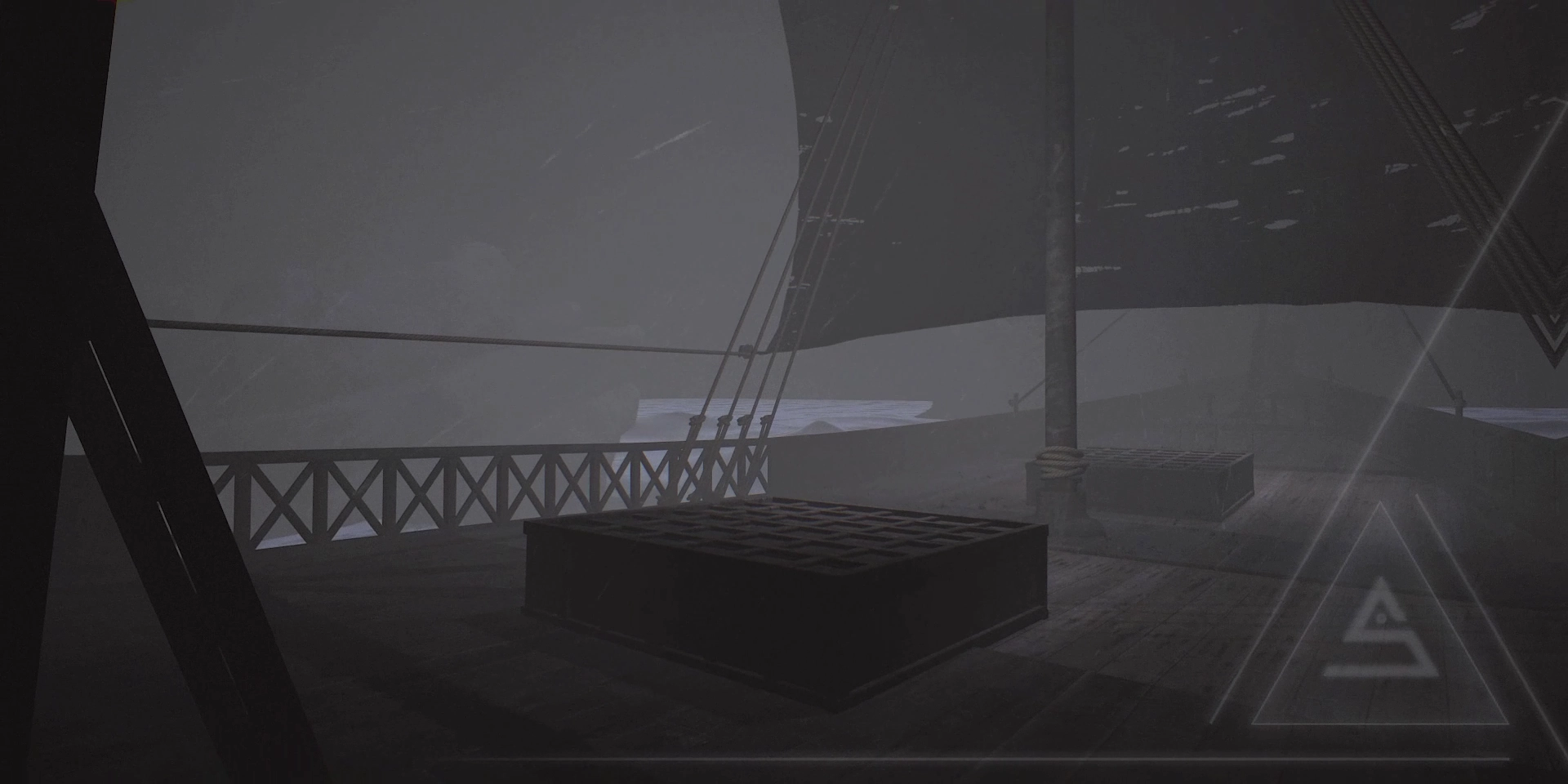
- Boat journey, symbolising the transfer of the Grail to the Roman Empire.
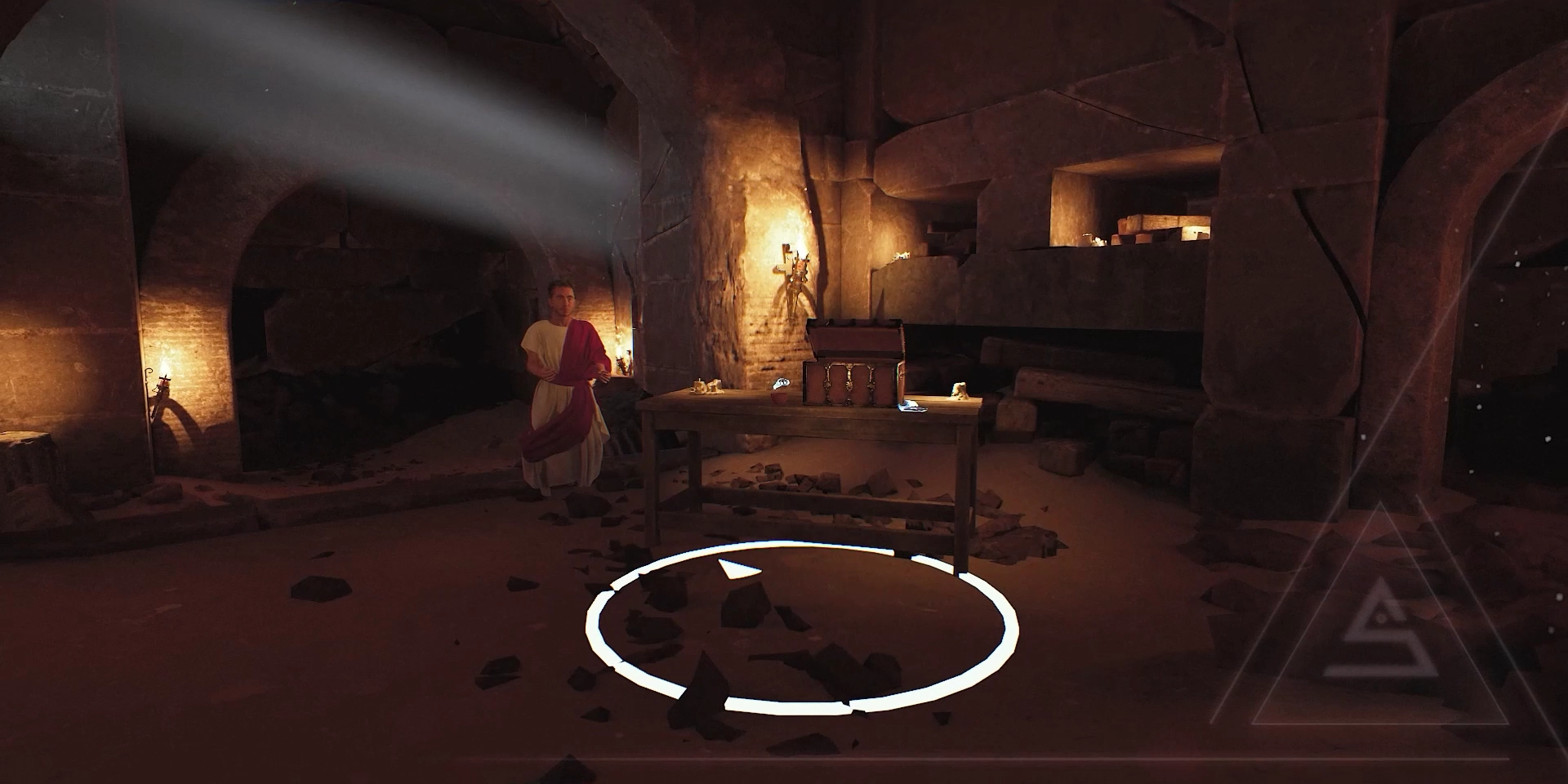
- Rome, illustrating the unrest that led to the Grail being moved to the province of Huesca.
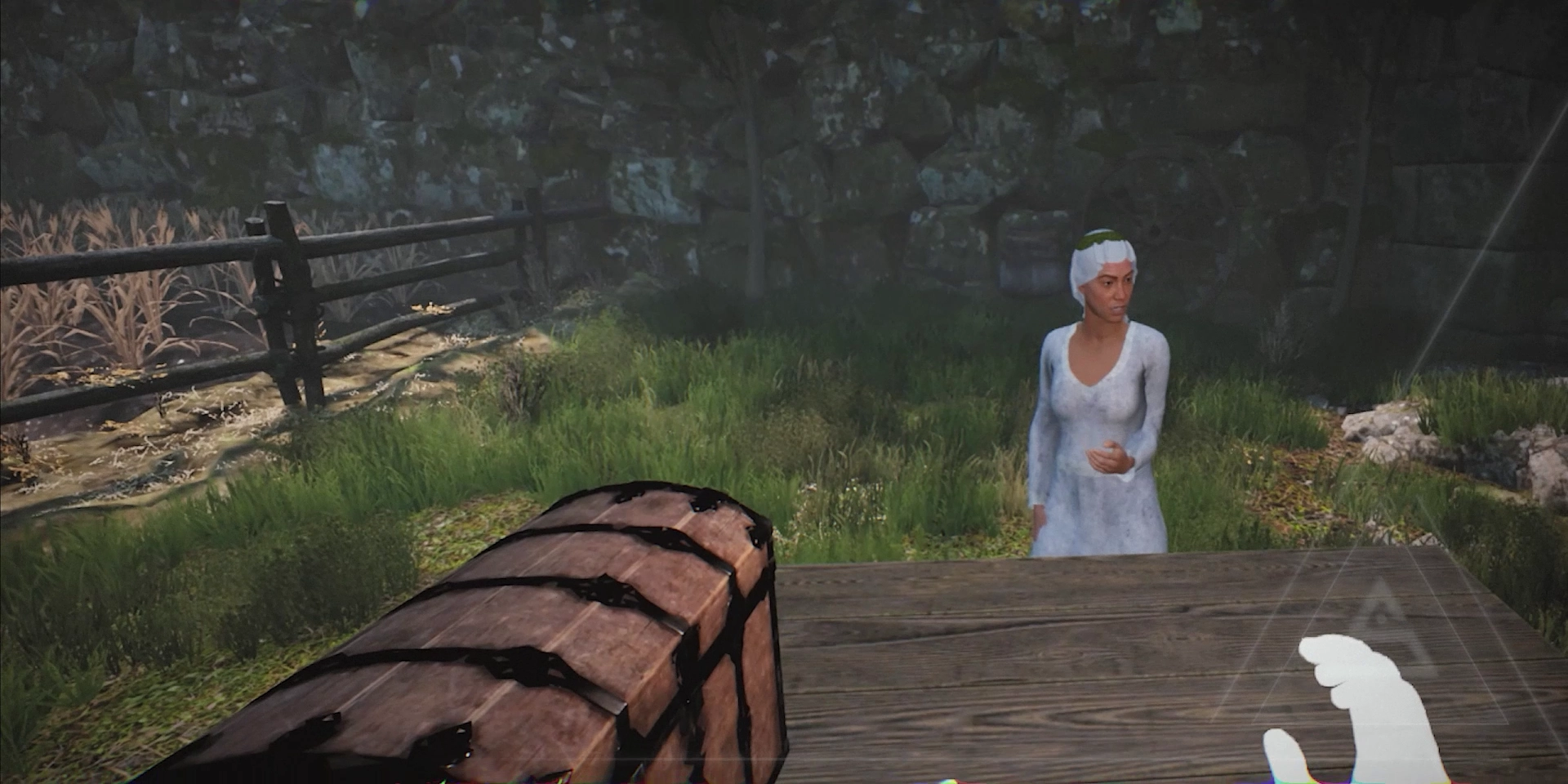
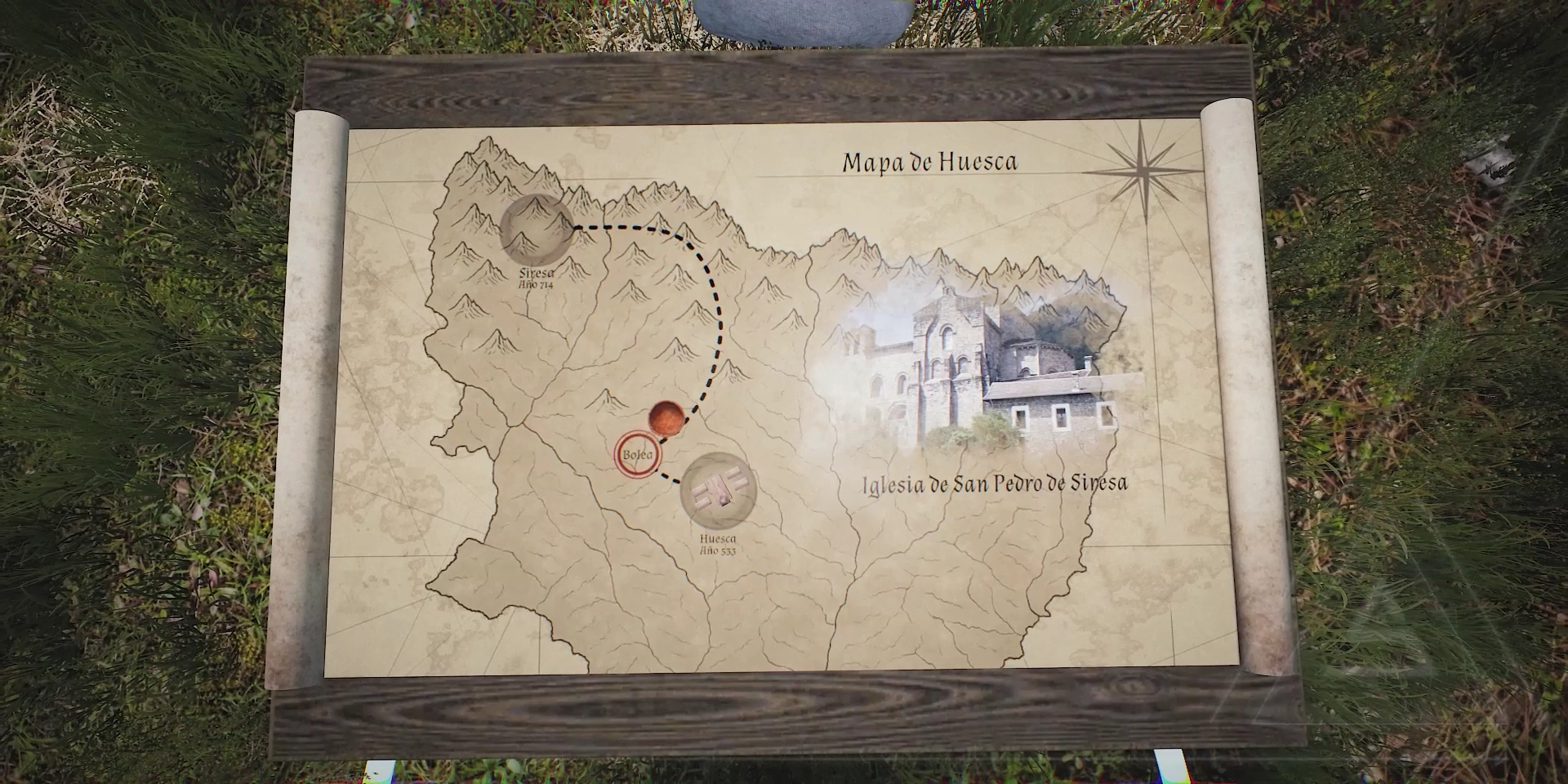
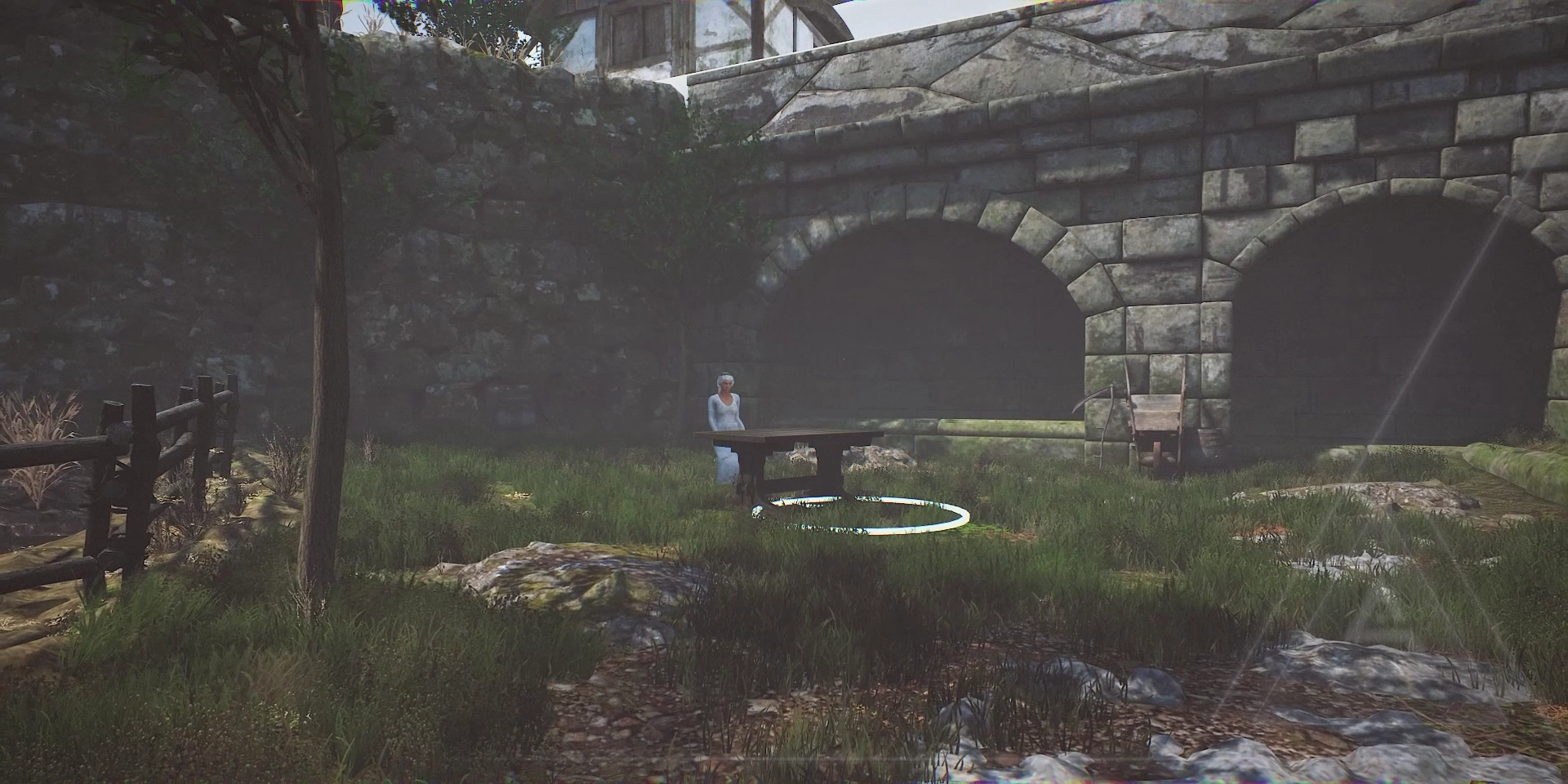
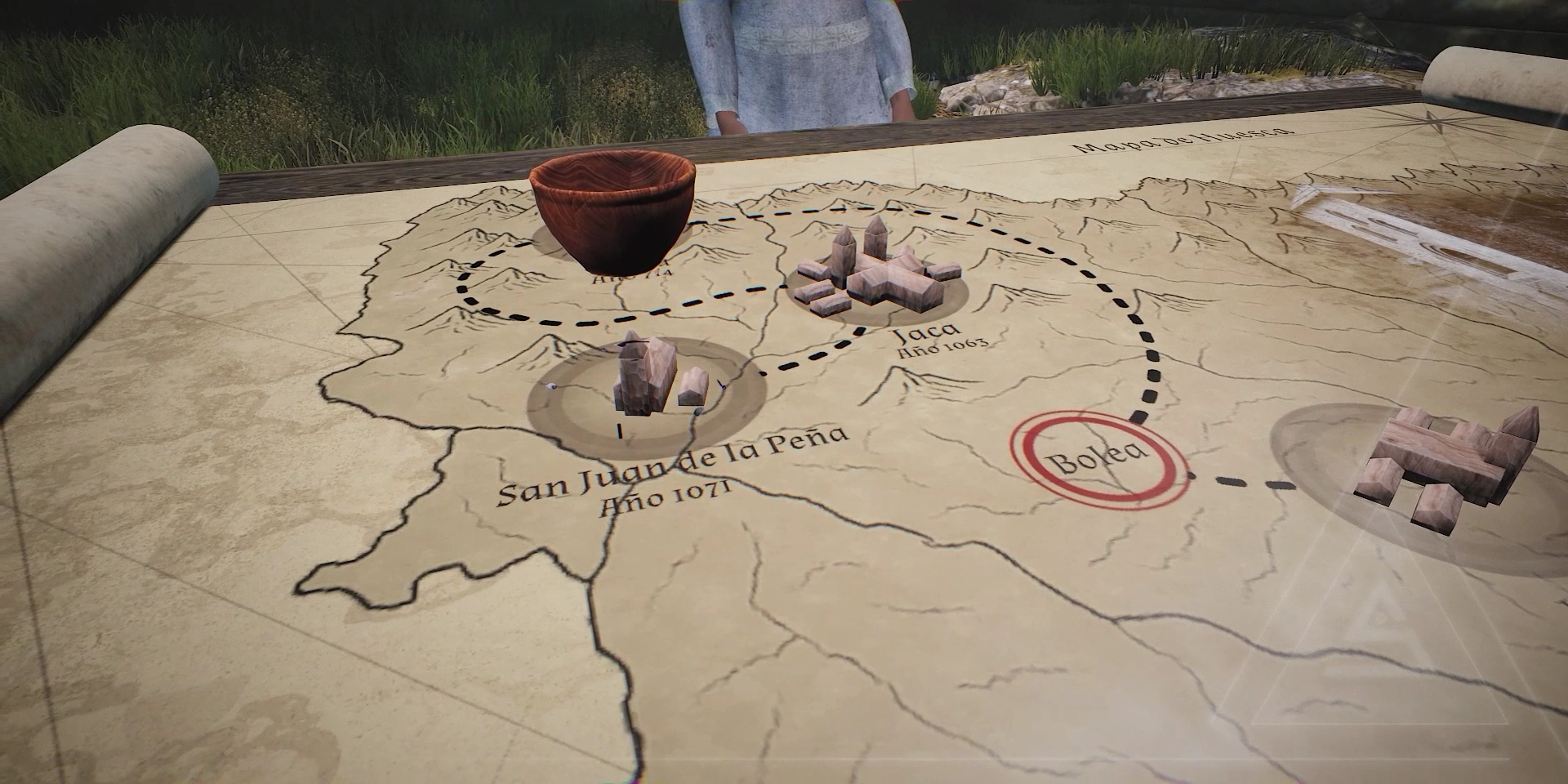
- Bolea, where users arrived by cart and interacted with a character presenting a map of the towns in Huesca where the Grail was kept and the years it stayed in each.
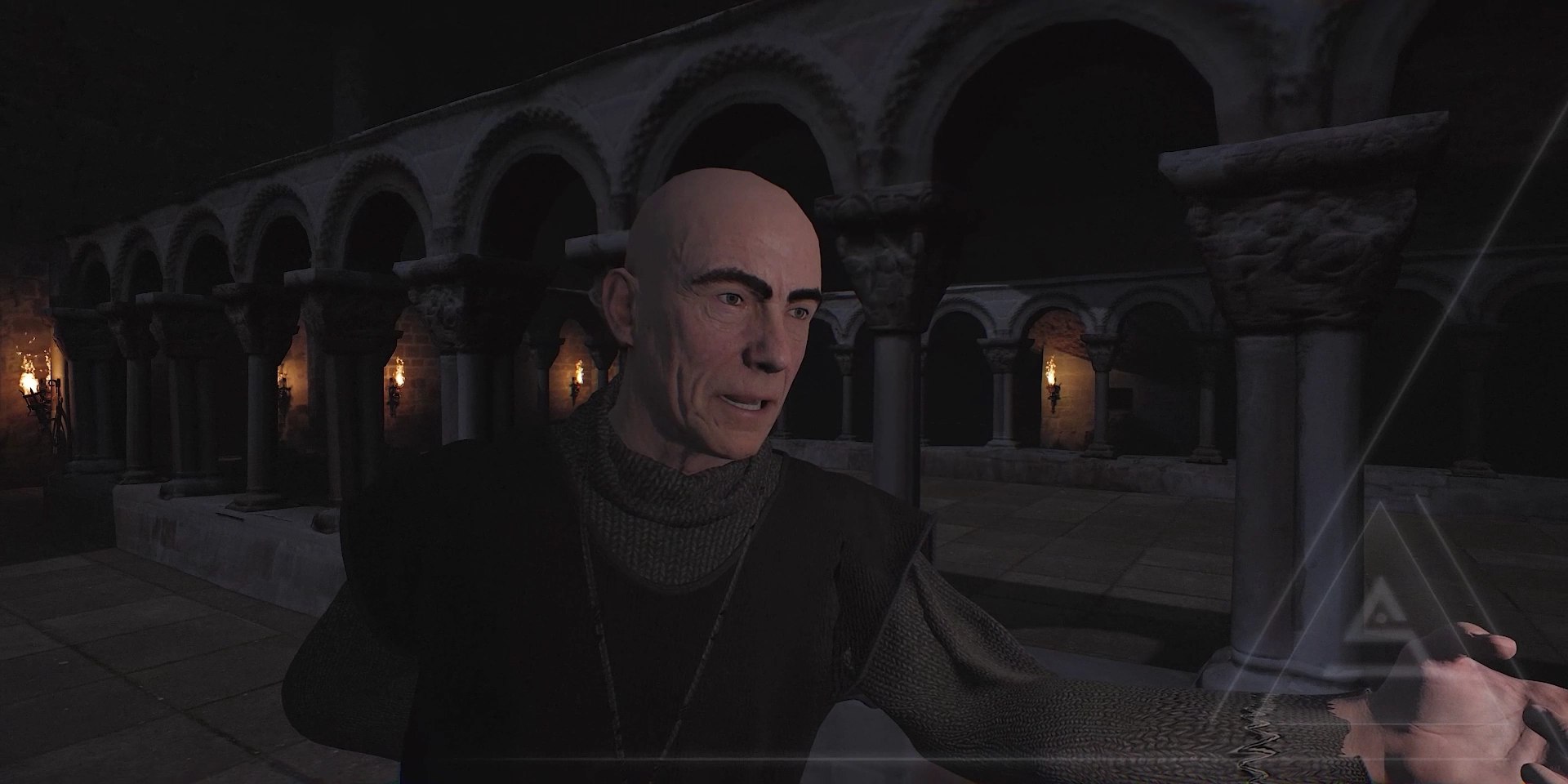
- Monastery of San Juan de la Peña, where its final transfer to Valencia under the protection of King Alfonso V was narrated.
The experience featured simple hand-tracked interactions, removing the need for physical controllers. This approach improved accessibility for users of all ages without compromising immersion. The combination of narrative guidance, characters, and virtual environments turned the user into an active participant in the historical journey.
Boosting cultural dissemination through immersive technologies
The installation of the experience at the Bolea Interpretation Centre enhanced its museum offering with a new tool for promoting the legacy of the Holy Grail. Its integration into the exhibition provided historical context to the centre's content and strengthened its appeal as a local tourist attraction.
Furthermore, the use of virtual reality as a storytelling medium enabled better engagement with wider audiences, particularly those seeking cultural proposals enhanced by technology. The project allowed the La Sotonera Town Council to position the municipality as part of a network of destinations that embrace digital innovation for heritage promotion and tourist engagement.
Ready to take the leap to hyperexperience?
SIMILAR PROJECTS



L'Oréal París Trends Hyperexperience | Project at Madrid Fashion Week 2023

Virtual Reality for the Hospitality Industry | Hyperexperience in Aura Restaurant

Virtual Reality shopfitting | Creation of virtual spaces


SUPPORT CHAT
STATUS: TERMS ACCEPTANCE
v26.10.12
PRIVACY POLICY
Before we begin, please note that you are interacting with the artificial-intelligence virtual assistant of DEUSENS HYPERXPERIENCE, S.L.
Any personal data you provide during the conversation will be processed by DEUSENS HYPERXPERIENCE, S.L. to handle your queries about our products and services and, where appropriate, to put you in touch with our sales team. Conversations are recorded and kept for the period necessary so they can be reviewed in order to improve service quality and ensure correct operation.
You can find all the information about how your data is processed and how to exercise your rights in our Privacy Policy.
Any personal data you provide during the conversation will be processed by DEUSENS HYPERXPERIENCE, S.L. to handle your queries about our products and services and, where appropriate, to put you in touch with our sales team. Conversations are recorded and kept for the period necessary so they can be reviewed in order to improve service quality and ensure correct operation.
You can find all the information about how your data is processed and how to exercise your rights in our Privacy Policy.
By chatting you accept our Privacy Policy.
ALICE ASSISTANT
TYPING RESPONSE...
By chatting you accept our Privacy Policy.
Conversation sent. We will be in touch shortly. New conversation