

 RETURN
18.01.2021
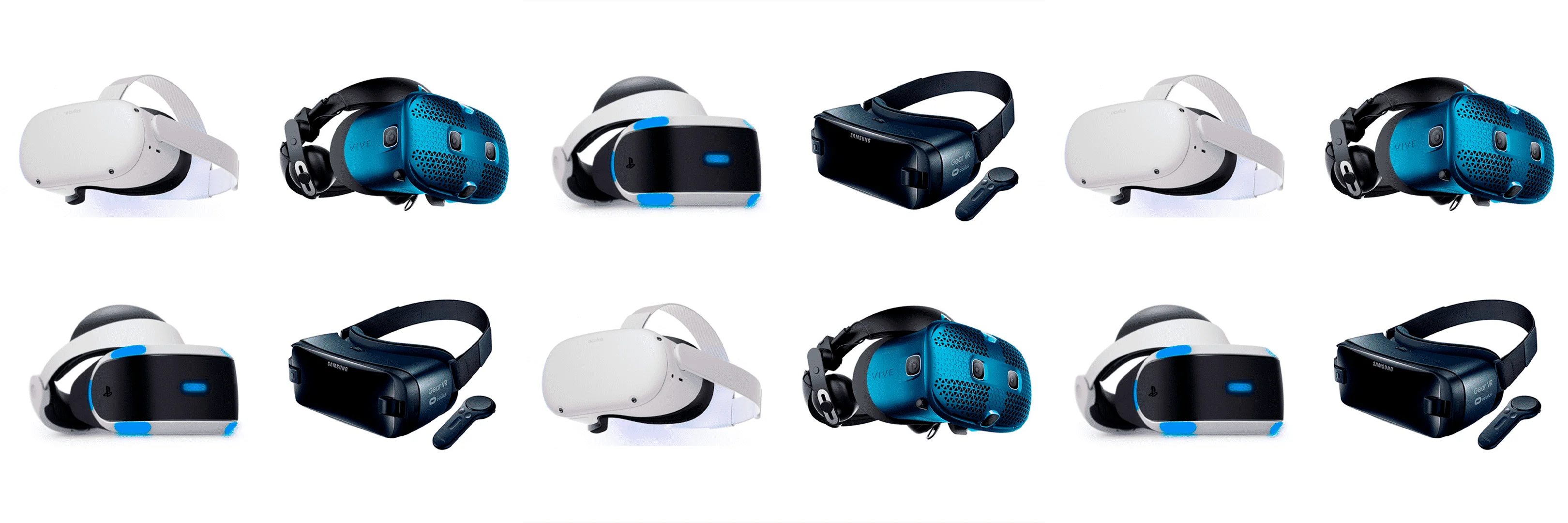
TYPES OF VR DEVICES | What are the types of Virtual Reality glasses that exist?

HIPEREXPERIENCIA
LOADED


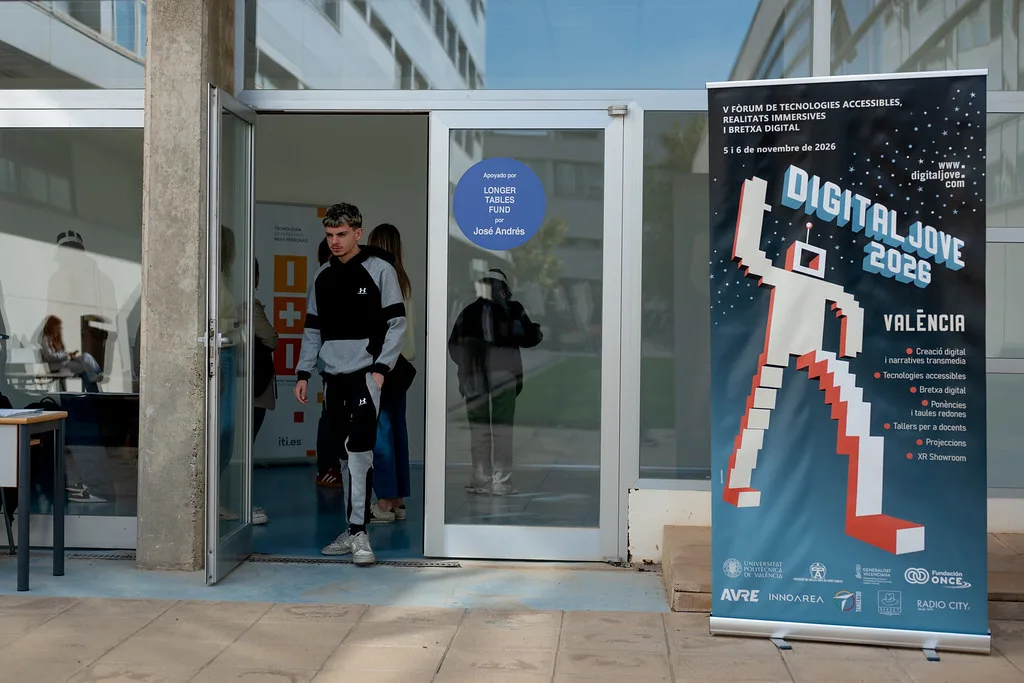
On 5 November we were at Digital Jove 2026, the forum that brings together people in València who work to make technology reach everyone. Our CEO and co-founder, Álvaro Monzón, took part in the panel “Innovation, XR and Accessible Technologies”, and in the XR Gallery we set up an area with five of our experiences for attendees to try. This is our recap.
Digital Jove is the Forum on Accessible Creative Technologies, Immersive Realities and the Digital Divide. This year it held its fifth edition on 5 and 6 November at the Faculty of Fine Arts of the Universitat Politècnica de València.
The programme combines talks and panels, screenings, workshops for teachers and a virtual and augmented reality showroom. One idea ties it all together: giving visibility to the different digital divides from an inclusive and accessible perspective, and creating spaces where people learn by trying and talking.

For a studio like ours, which designs immersive experiences for museums, brands, training and inclusion, it was a conversation we wanted to be part of.
The panel took place on Thursday 5 November, from 11:00 to 12:15, in the Alfons Roig Auditorium of the Faculty of Fine Arts. A conversation about how extended reality and innovation can help close divides instead of opening them.
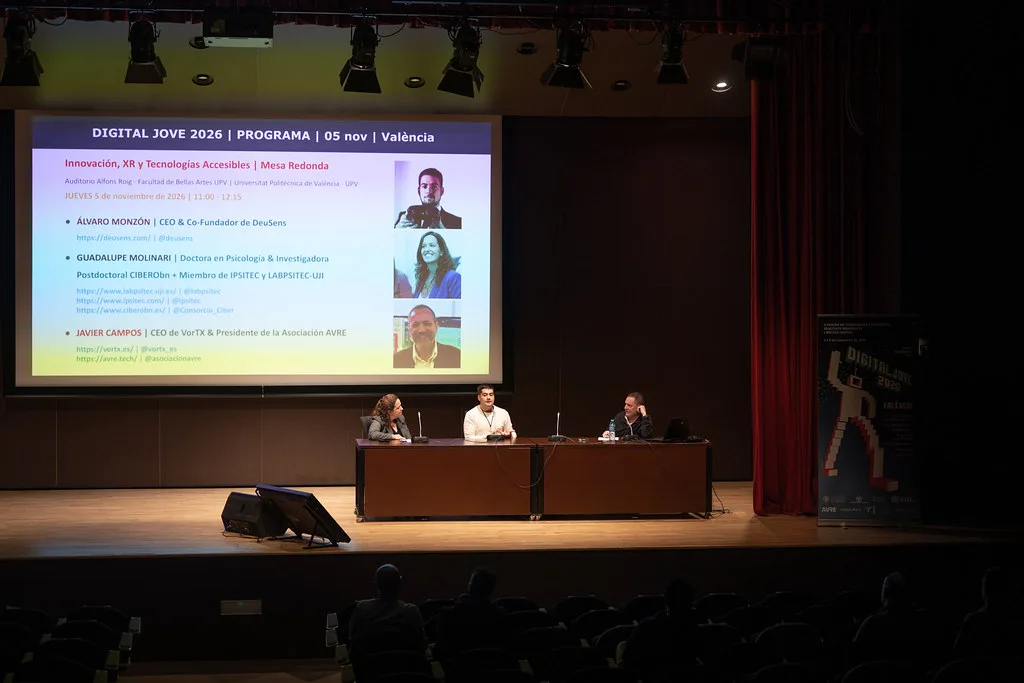
On the panel:
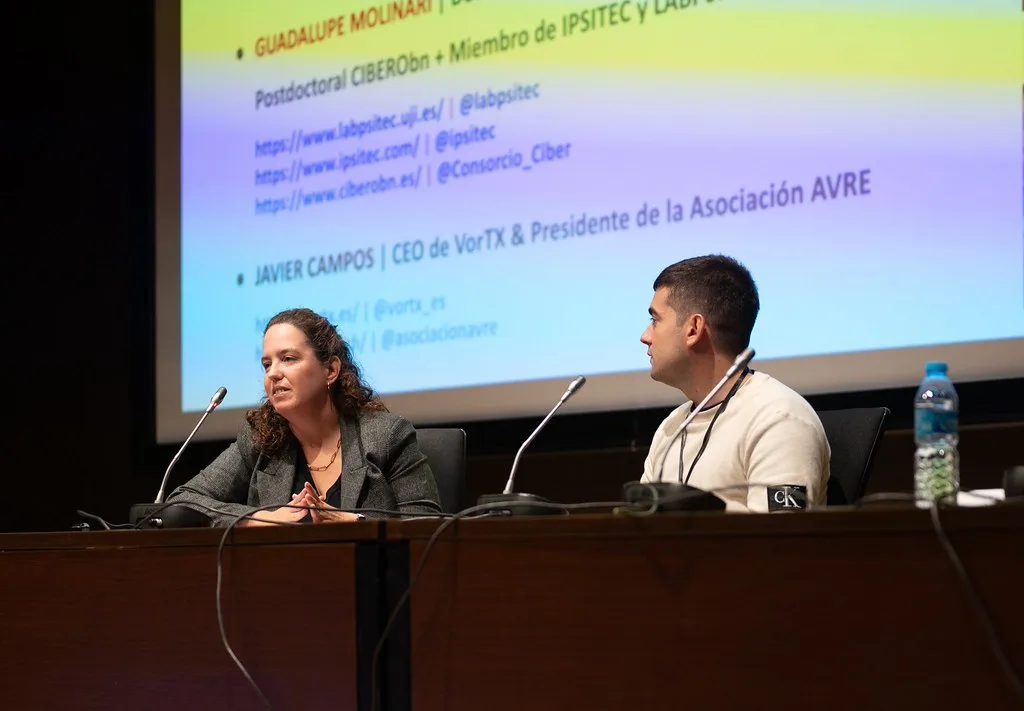
It was a pleasure to share the conversation with a researcher who measures the effect of these technologies on people, and with someone who drives the Valencian XR ecosystem through AVRE.
While the panel was on, we had our own space in the Sala Azul, turned into the XR Gallery. Throughout the morning, our technician Sergio Monrabal helped attendees try five experiences:
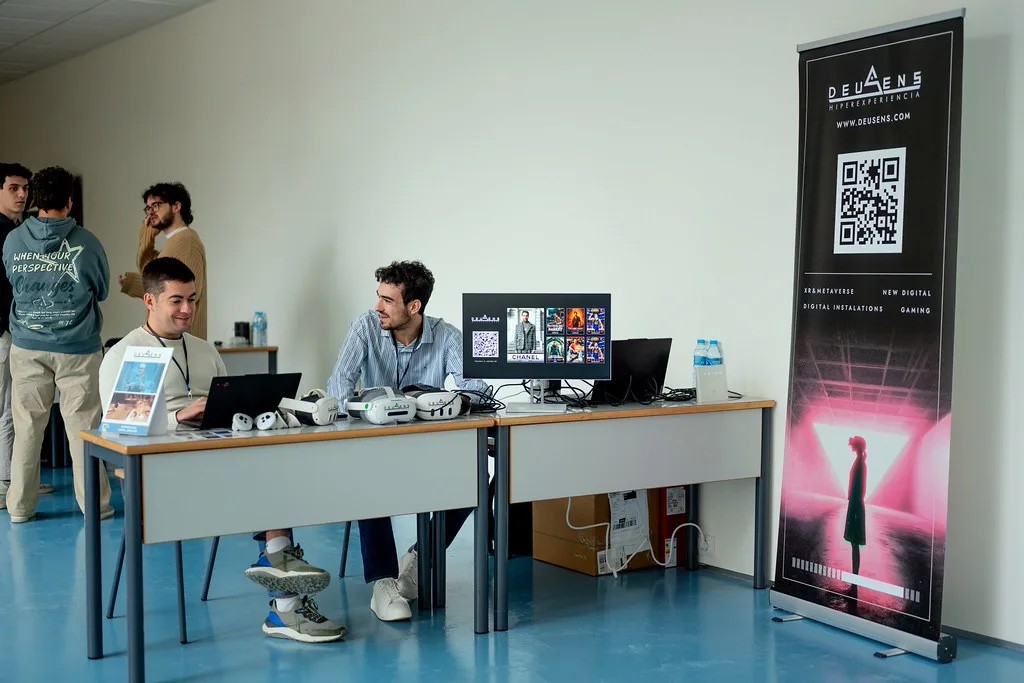
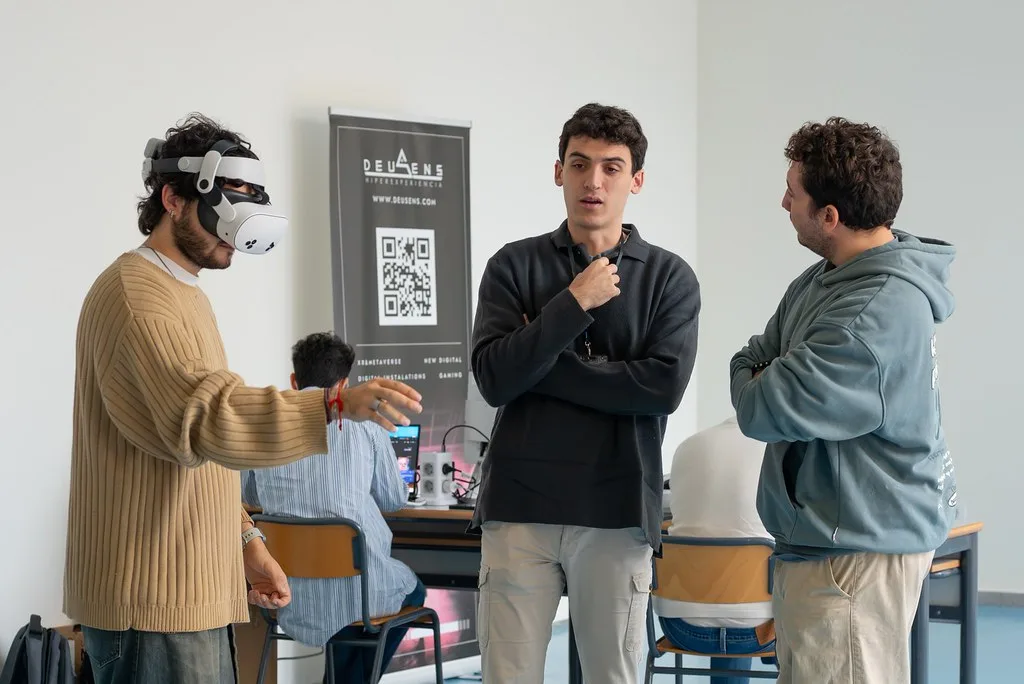
Trying it first-hand changes the conversation: many of the questions raised on a panel are answered in two minutes with a headset on.
Extended reality can open doors or close them. Well designed, it lets people learn by doing, rehearse without risk and visit places not everyone can reach. Poorly designed, it stays in the hands of a few.
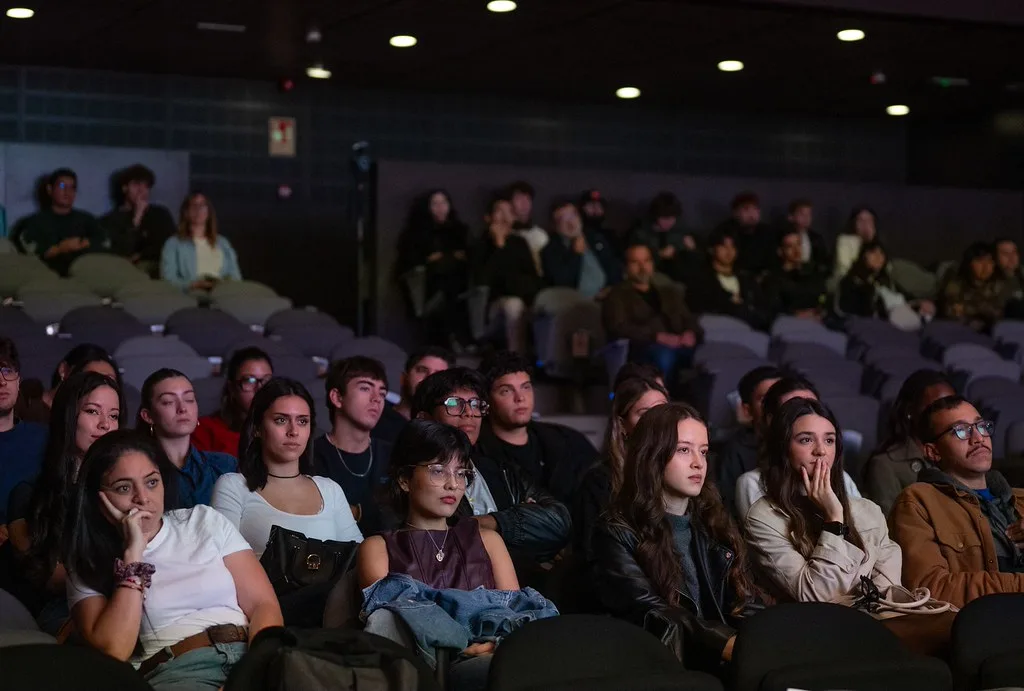
VR Down is the best example of what we stand for: an experience designed from the start with and for the people who will use it. That is why we are glad that forums like Digital Jove put accessibility at the centre of the conversation about immersive technologies.
Thanks to Fernando Carrión and the whole Digital Jove team for inviting us, to Guadalupe Molinari and Javier Campos for the conversation, and to everyone who came by to try our experiences.
Photos: Digital Jove and DeuSens.
SIMILAR CONTENT
PRIVACY POLICY
By chatting you accept our Privacy Policy.
By chatting you accept our Privacy Policy.
Conversation sent. We will be in touch shortly. New conversation


